Data Center Boom Creates Unexpected Labor Shortage: HVAC Technicians Now Harder to Hire Than Software Developers
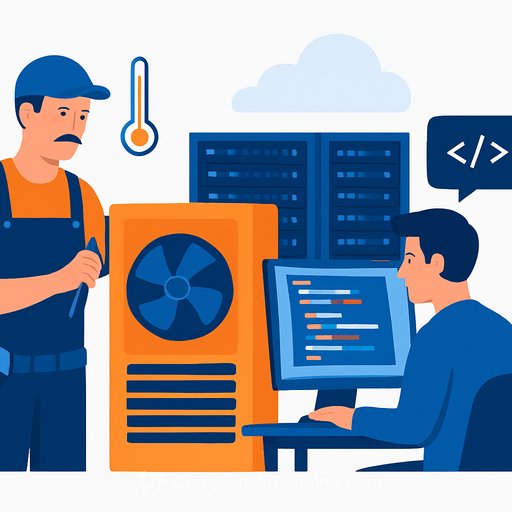
The rapid expansion of AI data centers across the United States is creating an acute shortage of skilled trades workers, with hiring timelines for HVAC professionals and electricians now exceeding those for tech workers, according to a report by Randstad North America.
It now takes an average of 56 days to hire an HVAC technician or electrician, compared to 54 days for a software developer. Randstad analyzed more than 150 million job postings between 2022 and 2026 to reach this conclusion.
"While much of the conversation surrounding AI focuses on job displacement, we're overlooking the demand it's creating for the skilled trade workforce," said Greg Dyer, chief commercial officer of Randstad North America. "AI can't build data centers, upgrade power grids, or maintain its own infrastructure."
A Generational Problem
The shortage stems partly from a generational shift. Seasoned workers are retiring, taking with them specialized knowledge that prevents costly downtime and errors. Younger workers entering the field aren't always receiving the support they need to advance.
Among Gen Z workers, 82% express confidence in acquiring new skills. Yet more than 30% have left a job in the past year due to lack of advancement opportunities.
What HR Leaders Should Do
Randstad recommends a shift from reactive to strategic hiring. Organizations should audit their current workforce's skill profiles and create clear career progression paths for skilled trades roles.
The report identifies several concrete tactics:
- Adopt flexible staffing models. Use contract workers to fill urgent gaps without inflating fixed labor costs.
- Redefine work-life balance. Since remote work isn't an option in skilled trades, offer schedule predictability and compressed weekly hours instead. Workers ranked work-life balance higher than salary and benefits when deciding whether to accept a job offer.
- Invest in apprenticeship programs. Map out clear progression paths and ensure coaching doesn't stop before trainees are fully productive.
- Improve the day-one experience. Have lockers ready, tools available, and leads aligned to establish safety culture from the start.
- Train front-line leaders. Emphasize respect, clarity, and constructive feedback when assigning work.
Employers' concerns about inflation and economic uncertainty are pushing skilled workers out the door. A blended workforce model-combining permanent staff with contract talent-protects operational continuity while managing costs.
For HR professionals managing skilled trades hiring, understanding how AI can support recruitment automation and workforce analytics is increasingly relevant as competition for these workers intensifies.
Your membership also unlocks: