AI-Generated Professor Speaking 80 Languages? A Divinity School Tests the Boundaries
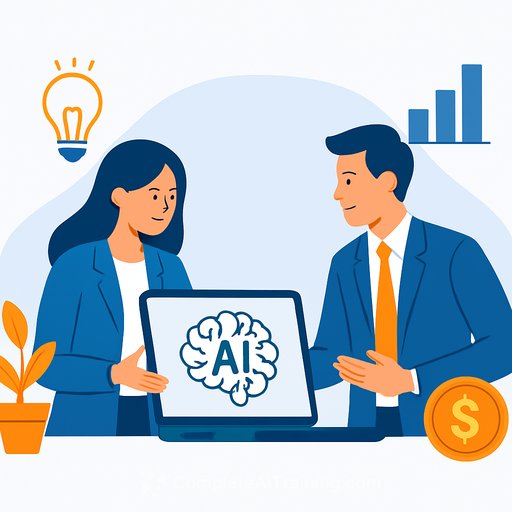
Acadia Divinity College, a small institution in Wolfville, Nova Scotia, is exploring the impact of artificial intelligence on education and religion. The college even used AI to deliver a course and grade students, pushing the limits of what's possible today.
AI in Education
The resemblance between the college president Anna Robbins and her AI-generated avatar was so close that her own family couldn’t tell the difference. Last fall, Acadia Divinity College ran an experiment where AI created the syllabus, delivered lectures via an avatar, and graded students earning real marks. The course topic was especially relevant: the ethics of AI in Christian ministry.
Robbins shared that the AI avatar can speak 80 languages, opening doors to global theological education. For a small college of about 200 mostly graduate students, this experiment signals both a shift in education and a growing conversation about technology in Christian circles.
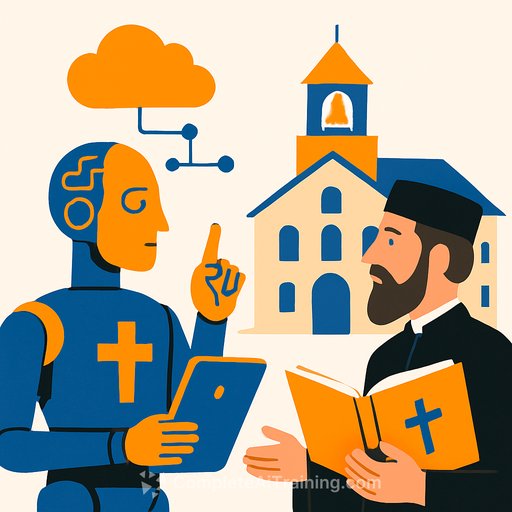
AI has already found its way into religion through chatbots that answer theological questions and apps that assist or even write sermons. In Switzerland, a church installed an AI Jesus avatar in a confessional booth, showing how technology is entering sacred spaces.
Concerns and Opportunities
Alongside excitement about AI, there are serious concerns. Pope Leo XIV called AI an "exceptional product of human genius" but warned about its potential to harm humanity's openness to truth and reality. Acadia Divinity’s approach is to test AI’s limits to better understand both its possibilities and risks.
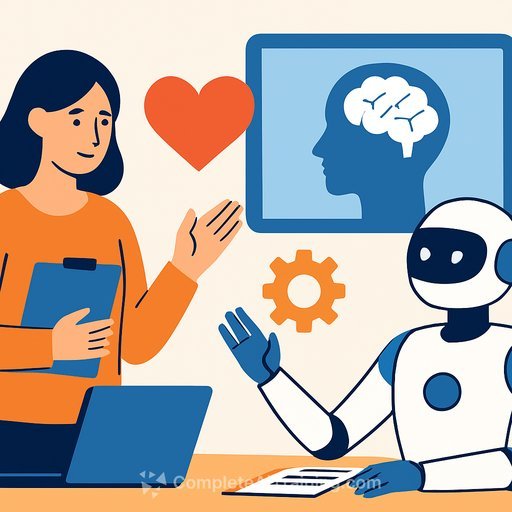
Students preparing for ministry use AI programs that simulate real counseling situations. They also engage in online chats with AI versions of historical Christian figures. The fully AI-generated course was an experiment, not a replacement for professors. The AI was trained on extensive information about the school’s history and teaching style.
The six students who participated were volunteers, and their tuition was covered by the college.
John Campbell, director of technology for education at Acadia Divinity, noted mixed reactions from faculty. One professor disliked AI grading assignments, while another welcomed AI's ability to provide personalized feedback for large classes.
Joel Murphy, a futurist at the college, believes AI’s impact will surpass that of the internet. He warns of “self-curated spirituality,” where AI delivers what users want without challenging or encouraging community connection. This could lead to isolation, which conflicts with faith’s emphasis on belonging and relationship.
Preparing for the Future
Robbins shares these concerns but believes the church has a critical role in today’s increasingly artificial world. It offers a place for people to step away from screens and face deep existential questions.
The college is preparing future pastors for new realities, like ministering to those who upload videos to create AI avatars of terminally ill loved ones. Campbell emphasized that these developments are happening now, not in science fiction, so clergy must be equipped to serve effectively in this environment.
Advantages of AI in Education
Once seen as a “cheating machine,” AI is being cautiously embraced in education. At Acadia Divinity, professors see clear benefits. Glen Berry, associate professor of pastoral psychology, uses AI simulations so students can practice counseling with realistic scenarios, including grief, mental health struggles, and anger issues. The AI produces transcripts for review, improving learning outcomes.
Rev. Melody Maxwell, a Christian history professor, uses an AI chatbot that lets students interact with historical Christian figures. This builds “historical empathy” by helping students understand people’s feelings and motivations in their historical contexts.
Robbins highlighted the AI avatar’s ability to switch between 80 languages, which could expand theological education globally. This is especially valuable for the 90% of pastors in developing countries who lack access to formal theological training. AI offers a way to serve and equip churches worldwide.
Student Feedback
The AI-generated course received mixed reviews. Students agreed it met learning goals and appreciated the quick feedback. However, even volunteers felt “duped” at times and wanted real professors to review their work, not machines.
For educators looking to include AI tools in their curriculum or ministry training, Acadia Divinity’s experiment offers valuable lessons on opportunities, challenges, and the human element that remains essential in education.
Your membership also unlocks: