AI Text Detectors Show Bias Against Non-Native English Authors, Study Finds
Artificial intelligence tools have become common in academic writing, helping researchers improve clarity and style. For non-native English speakers, these tools offer a cost-effective alternative to expensive editing services, enabling them to meet the high language standards expected by journals. However, new research reveals that AI detection tools used to spot undisclosed AI assistance may be unfairly targeting these authors.
How AI Detection Tools Work—and Where They Fall Short
Detection tools like GPTZero, ZeroGPT, and DetectGPT claim to identify AI-generated text with high accuracy. They are widely used in publishing and academia to maintain integrity. However, a recent study published in PeerJ Computer Science highlights significant flaws in these tools, especially in fairness.
The study tested detection tools on three types of abstracts:
- Human-written
- Fully AI-generated
- AI-assisted (human writing improved by AI editing)
While tools performed reasonably well distinguishing fully AI-generated text, they struggled with AI-assisted writing. Many AI-edited abstracts were flagged as fully AI-written, ignoring the human contribution. This is particularly problematic since AI-assisted writing is common in real academic work.
Non-Native English Authors Face Higher Risk of False Accusations
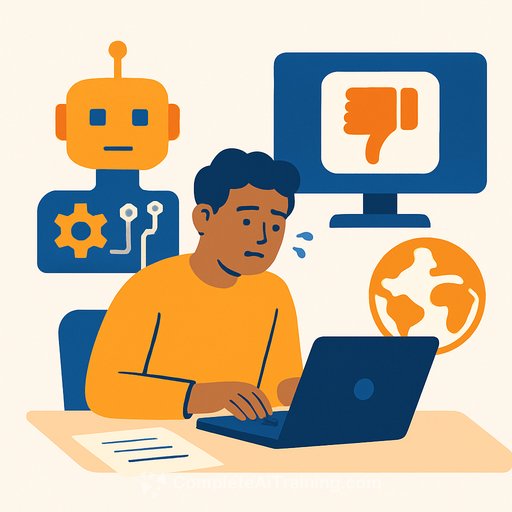
The study found that abstracts from non-native English speakers were more frequently misclassified as AI-generated. This means authors who use AI tools to improve their language risk unfair rejection or accusations of dishonesty. Their writing may appear “too perfect” to these detectors, which raises serious concerns about bias in the peer review process.
Academic disciplines also play a role. Humanities and social sciences often involve nuanced, interpretive language that AI models and detection tools may misinterpret. This adds another layer of disadvantage for certain groups.
Why This Matters for Academic Publishing
Non-native speakers already face barriers such as high editing costs and language challenges. AI tools can level the playing field by helping them communicate their ideas effectively. But if detection tools unfairly flag their work, these benefits diminish.
Moreover, the black-box nature of many AI detectors means authors cannot easily challenge false positives. The line between human and AI writing is increasingly blurred as researchers blend their own drafts with AI edits. Detection tools have difficulty keeping up with these hybrid approaches.
A Call for Fairness and Transparency
The study urges journals, universities, and policymakers to reconsider strict reliance on AI detection tools. Instead of punitive measures, ethical guidelines should encourage transparent disclosure of AI assistance while recognizing its value.
Ensuring fairness means balancing integrity with inclusivity. Human judgment and transparency must play a central role alongside technology.
Looking Ahead
AI models and detection tools will continue to evolve. Ongoing research into bias and fairness is essential. Developing standards for responsible AI use in academia can help protect underrepresented groups while maintaining honest scholarship.
For those interested in learning more about AI tools and their ethical use in professional writing and research, resources like Complete AI Training offer practical courses and guidance.
Your membership also unlocks: