AI-Driven Workforce Changes Force Office Space Rethink
Generative AI and automation are fundamentally changing how companies use office space. As employers deploy these tools to streamline tasks, they're also rethinking which roles require in-person time and which don't. The result: office demand is shifting away from traditional private offices toward flexible, collaborative environments designed for teamwork, training, and culture-building.
This shift is uneven across markets. Prime locations in central business districts and well-amenitied suburban areas are holding value and attracting tenants. Older, less efficient buildings face rising vacancy risk and obsolescence pressures.
What's Changing in Office Design
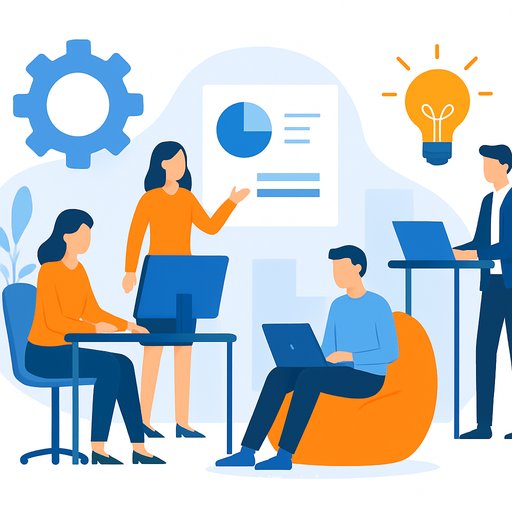
Companies are moving from headcount-based space planning to quality-focused design. They want flexible floorplates, modular layouts, and plug-and-play technology infrastructure. Wellness facilities, training spaces, and short-term lease options now matter more than they did five years ago.
Buildings without modern HVAC systems, fiber connectivity, sustainability credentials, or adaptable layouts are at risk. Landlords and developers are responding by retrofitting assets to meet these new requirements.
What This Means for Investors and Landlords
Real estate investors need to re-underwrite cash flow assumptions and factor in higher capital expenditure for repositioning. Tenant composition matters more-a mix of companies with different remote and hybrid policies creates different space needs.
Location, amenities, and building quality now drive value more than before. Submarket differentiation is increasing. A Class B building in a transit-rich area with strong amenities may outperform a newer building in a secondary location.
Lease flexibility is becoming a competitive advantage. Tenants want options to scale up or down as their workforce needs change.
The Broader Picture
Employers are balancing remote work with in-person needs for onboarding, mentoring, and collaborative projects. This creates ongoing demand for office space, but the type and amount of space required varies widely by industry and company.
Municipal policies and transit patterns will influence how office demand evolves. Zoning flexibility, reskilling programs, and commuting infrastructure all play a role in determining which submarkets thrive.
For real estate professionals, understanding how AI affects real estate and construction is essential. The same applies to understanding how AI agents and automation reshape workplace requirements and tenant behavior.
The office market isn't disappearing. It's becoming more selective. Buildings that adapt will attract tenants. Those that don't will struggle.
Your membership also unlocks: