
AI news ·
AI due diligence gains importance in healthcare M&A deals
Healthcare M&A deals increasingly carry hidden risks tied to AI systems that traditional due diligence misses. Undocumented or poorly validated tools can expose buyers to regulatory penalties and liability the moment a deal closes.
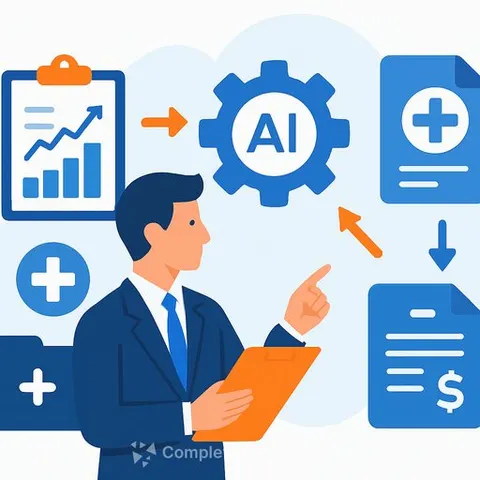
Healthcare M&A Deals Require AI Due Diligence
Healthcare mergers and acquisitions continue at a steady pace, but dealmakers are increasingly discovering that traditional due diligence processes miss critical gaps around artificial intelligence systems.
Acquiring firms need to evaluate how target companies use AI-from clinical decision support tools to administrative automation-before closing transactions. The stakes are high. Outdated or poorly validated AI systems can create liability exposure, regulatory risk, and operational problems post-acquisition.
What AI Due Diligence Covers
A thorough AI assessment examines several areas. Reviewers should identify which AI systems are in use, who built them, and whether they've been validated for their intended purpose.
Data quality matters enormously. Healthcare organizations train AI models on patient records and operational data. If that data is incomplete, biased, or poorly documented, the models built from it will inherit those flaws.
Regulatory compliance is another critical layer. FDA oversight applies to certain clinical AI tools. HIPAA requirements govern data handling. State-level regulations vary. Acquirers need to know whether target companies meet these obligations.
Why This Matters Now
Healthcare organizations have deployed AI faster than governance frameworks have matured. Many lack clear documentation of how their systems work or what assumptions underpin them.
An acquirer that inherits undocumented AI systems inherits unknown risks. A clinical decision support tool might perform differently across patient populations. An administrative system might process claims incorrectly in edge cases no one has tested.
These problems become the buyer's problem immediately after closing.
Practical Steps
Start by cataloging all AI systems in use. This includes obvious applications like imaging analysis tools and less visible ones like staffing algorithms or patient risk stratification models.
Request documentation on model development, validation, and performance. Ask about ongoing monitoring. Determine who maintains the systems and whether vendors provide updates.
For AI data analysis capabilities, evaluate the underlying datasets. Understand data lineage, quality controls, and any known limitations.
Engage technical experts early. Business teams alone cannot assess AI systems adequately. Data scientists and AI specialists need to review model architecture, training approaches, and validation methodologies.
The Broader Picture
Healthcare professionals managing M&A transactions should treat AI due diligence as non-negotiable. The technology is embedded in operations now. Ignoring it during deal evaluation creates post-closing complications that are expensive to fix.
For those working in healthcare roles, understanding AI for healthcare systems-both their capabilities and limitations-has become essential to deal success.