States and Localities Retain Control Over AI Regulation After Senate Vote
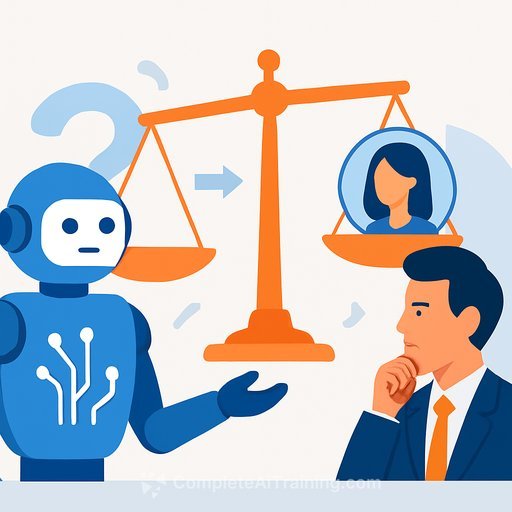
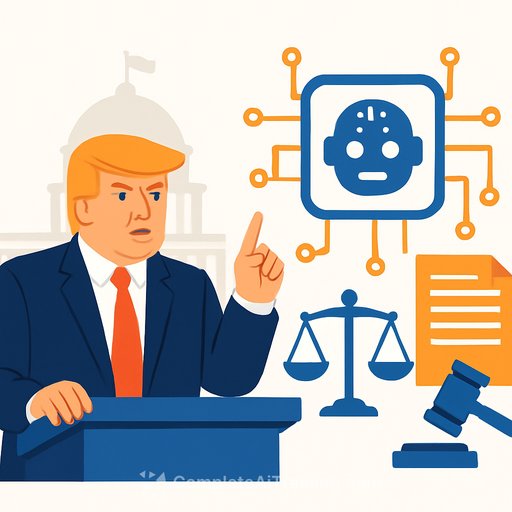
Recently, the US Senate removed a provision from President Donald Trump’s One Big Beautiful Bill Act (OBBBA) that would have imposed a 10-year moratorium on state and local laws regulating artificial intelligence (AI) tools. This means that, for now, states and local governments remain free to create their own rules regarding AI use.
Employers using AI for hiring, onboarding, performance management, or other workplace functions need to stay alert to the specific rules and audit requirements in the states where they operate.
Key Developments in AI Regulation
On July 4, 2025, President Trump signed the OBBBA into law. The final version, however, did not include the proposed 10-year ban on state and local AI regulations. The earlier draft would have prevented states from limiting or regulating AI systems and automated decision systems (ADS) through legislation during that period.
This change has significant implications for employers. State legislation on AI is growing, often requiring employers to notify job applicants and employees before using AI tools. Many laws also demand transparency about how AI systems function and their potential impacts.
States Leading the Way in AI Legislation
Several states are actively developing or enforcing AI regulations that employers should monitor closely:
- Colorado: Senate Bill 205 sets the country’s most comprehensive standards for AI developers and users, influencing other states’ approaches.
- California and Texas: California’s SB 7 and Texas’ House Bill 149 will take effect in 2026, both prohibiting AI-based discrimination in employment decisions.
- Minnesota: The Consumer Data Privacy Act, effective July 31, requires disclosure of AI use and gives consumers the option to opt out, including in hiring.
- Connecticut, New York, Massachusetts, and Washington: These states are considering bills similar to Colorado’s standards.
What Employers Should Know
Even without federal AI legislation, employers remain responsible for complying with federal and state antidiscrimination laws when using AI. Since the federal government has not imposed a moratorium on AI regulation, states will likely continue to introduce new rules governing AI in employment and other areas.
Employers should keep a close eye on legislative changes in the jurisdictions where they operate. Staying informed will help ensure compliance and avoid legal pitfalls related to AI implementation.
For practical guidance on integrating AI tools while meeting regulatory requirements, consider exploring specialized training resources available at Complete AI Training.
We also offer a webinar next month that will cover what employers need to know about the evolving AI regulations. Stay tuned for details.
Your membership also unlocks: