
AI news ·
AI-generated ad draws controversy in L.A. mayor race
An AI-generated ad in the Los Angeles mayor's race drew sharp criticism over its authenticity and ethics. The case shows voters and press are watching how campaigns use synthetic media closely.
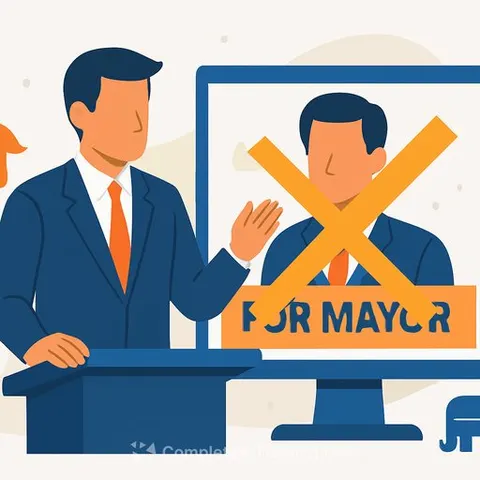
AI-Generated Political Ad Sparks Controversy in Los Angeles Mayor Race
An artificial intelligence-generated campaign advertisement has become a flashpoint in the Los Angeles mayoral race, raising questions about the use of synthetic media in political campaigns.
The ad, which used AI to create or alter content, drew criticism from opponents and observers who questioned its authenticity and the ethics of deploying such technology in electoral politics.
What This Means for Political Communications
The incident highlights a practical challenge for communications professionals in government and politics: AI tools are now accessible enough to influence public campaigns, but regulations and norms around their use remain unsettled.
Campaign teams, political consultants, and government communicators increasingly face decisions about where AI-generated content fits within their messaging strategies and ethical guidelines. The Los Angeles case demonstrates that voters and media scrutinize these choices closely.
The Broader Context
Political campaigns have historically pushed technological boundaries. What distinguishes AI-generated content is its ability to create or alter video, audio, and imagery in ways that were previously impossible without specialized expertise.
For communications professionals, the takeaway is straightforward: transparency about how campaign materials are produced matters. Audiences expect to know when content has been synthetically generated, and disclosure may become legally required as regulations evolve.
Newsrooms, campaign teams, and public affairs offices should establish clear policies now about when and how AI tools can be used in their work-before specific situations force ad hoc decisions.