
AI news ·
AI ghostwriting in universities calls for transparency and redesigned assessments, not outright bans
Indian universities are grappling with students submitting AI-generated assignments that read well but lack genuine reasoning. Experts say banning the tools won't work-disclosure rules and redesigned assessments are the real fix.
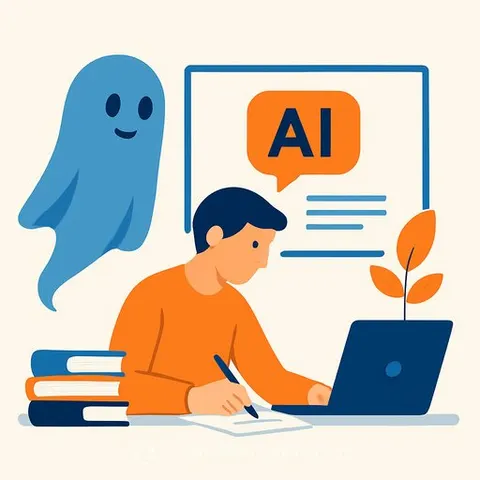
Universities Face a Test: How to Handle AI Ghostwriting in Student Work
Professors across Indian universities are noticing a pattern. Student assignments arrive polished and grammatically flawless, yet something feels off-arguments disconnected, ideas oddly sterile. The culprit is clear: students are using ChatGPT, Bard, and similar tools to write their papers.
The adoption has been swift. By the time institutions began debating whether AI belonged in classrooms, students had already mastered its use. The reasons are practical: working students balance jobs with assignments, international students overcome language barriers, and those with learning disabilities find genuine help. Even faculty use AI to draft emails and research summaries.
But this convenience masks a deeper problem. When machines produce arguments instead of students, what exactly are teachers assessing? When writing is outsourced rather than struggled through, students miss the intellectual discomfort that drives real learning.
The Transparency Problem
AI use in academia undermines three things: transparency, intellectual integrity, and the authenticity of scholarship. Most AI tools explicitly disclaim responsibility for their output, yet students present machine-generated text as their own work.
Academic ethics require authors to hold intellectual responsibility for what they produce. AI creates a gap in that accountability.
Universities have responded predictably: trying to detect and ban AI. This approach is futile. Students will always find ways around detection tools, and the technology only improves.
Four Steps Universities Should Take
Teach AI literacy. Rather than outlawing tools, institutions should teach students how to use them responsibly. This includes identifying inaccuracies in AI output, understanding the difference between assistance and outsourcing, and recognizing when a tool has replaced their own thinking.
Require disclosure. Students should report how and when they used AI in their work, the way they cite sources. This makes accountability part of normal scholarly practice and gives instructors an informed view of student effort.
Redesign assessments. Grading only final papers leaves room for AI substitution. Instructors should evaluate drafts, notes, in-class writing, oral exams, and group discussions-processes AI handles poorly. This grounds learning in human thought without banning the technology.
Support faculty. Professors cannot be expected to redesign assignments, navigate AI ethics, and address new integrity issues without training. Universities must provide professional development at the same pace the technology changes. AI for Teachers training should be standard institutional support.
The Real Question
The issue is not whether students use AI. They do, and they will. The question is whether they understand what they lose in the process.
In academia, writing reflects thinking. A well-constructed sentence signals a well-formed idea. When students hand off this work to machines, they skip the struggle that builds intellectual muscle. AI polishes early thinking but prevents it from developing.
Universities that treat AI as a tool to manage rather than a problem to solve will adapt faster. Those that build transparency, redesign how they measure learning, and train faculty will preserve what matters most: the authentic development of student thinking.