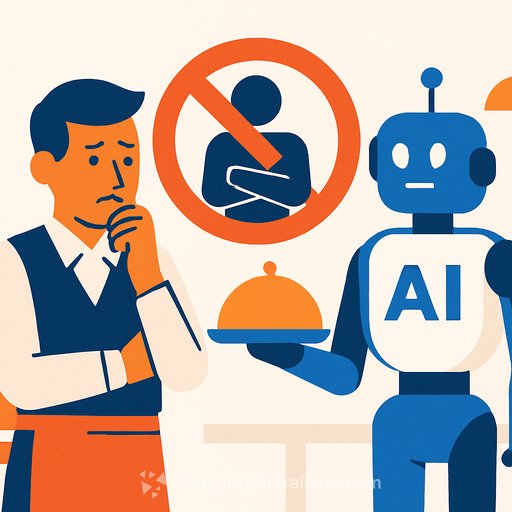
AI Caution and Skepticism
Resistance and Doubt, the Real Risks for AI in Hospitality
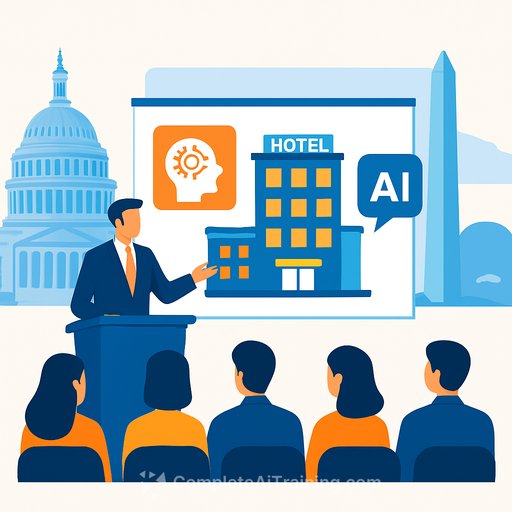
At a recent conference in Paris focused on AI in travel and hospitality, the mood among experts, tech companies, airlines, and researchers was surprisingly cautious. Instead of excitement, there was skepticism and even some dismissal about AI’s potential. Common refrains like “Let’s be careful” or “Don’t change too much” showed a reluctance that could slow down progress.
This hesitation is counterproductive. Technology that reduces effort and friction while delivering clear benefits will get adopted. That’s not theory — it’s a pattern we see repeatedly. Generative AI stands out for having one of the lowest effort-to-reward ratios. You simply type a prompt and get a usable response in seconds on devices you already own. This ease of use is already changing how we work and learn.
Yes, AI answers aren’t perfect and can contain mistakes. But they’re still faster and often better than previous tools. This contrasts sharply with many business software solutions, which tend to have complicated, clunky interfaces that slow down users.
Some suggest measuring AI’s risks before jumping in. The problem is, we can’t predict all consequences. When smartphones launched, no one foresaw TikTok dances or widespread screen addiction. Many experts predicted smartphones would fail. How can we forecast all the social impacts of AI? We can’t. What we do know is that AI will bring changes, and we’ll need to adjust as we go.
In hospitality, the main risk isn’t guests or employees getting distracted by AI tools. The real concern is missing out on opportunities to speed up tasks, improve service quality, and free up human staff for more meaningful work. AI can handle repetitive jobs like guest messaging, maintenance scheduling, statement reconciliation, and pricing optimization. The shift to AI is already underway; it’s only a matter of time before it becomes part of everyday operations.
Instead of asking whether to use AI, we should focus on how to use it well. Approaching AI with enthusiasm rather than caution makes more sense given its low friction and high potential benefits. Guests are already adopting AI-driven tools, so the hospitality industry must keep pace or risk falling behind.
One concern raised at the event was AI’s carbon footprint. That’s valid, but AI can also help identify waste and inefficiencies elsewhere that add up to larger environmental gains. The future doesn’t wait for us to move carefully toward it — it arrives at its own speed. The choice is simple: adapt and benefit, or resist and lag.
If you’re interested in practical ways to implement AI in hotel technology, there are resources and courses available to get started. For example, Complete AI Training offers course options tailored for hospitality roles. Embracing AI tools effectively can improve operations and guest experiences alike.
What AI applications do you see making a difference in your hospitality work? Feel free to share your thoughts.
Your membership also unlocks: