
AI news ·
AI hiring tools filter out untraditional candidates but free recruiters for in-person interviews
Rigid AI filters reject unconventional candidates. Automation gives recruiters 5 hours weekly for direct conversations, double the time logged two years ago.
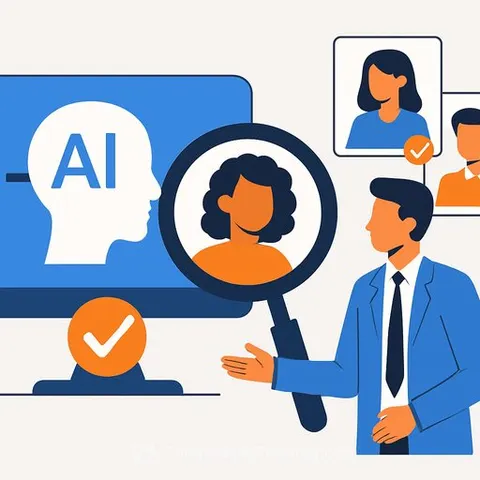
Rigid AI filtering tools are costing companies access to high-value candidates with unconventional backgrounds, Jacqueline Grant, CEO of The Management Academy, told the Society for Human Resource Management conference. As a flood of AI-generated applications buries HR teams, many hiring platforms automatically dismiss people whose skills don't match standard academic or career templates - and that's pushing top talent out of the pipeline before a human ever sees it.
The hidden talent being left behind
Grant said the danger is especially acute for "hidden talent" - people who developed valuable skills through life experiences rather than traditional schooling or job titles. "I'm encouraging recruiters to see the value of the person, what they have to offer and what their experience might bring to the table," she said. She recommended companies audit how their AI tools screen candidates, then adjust parameters so less obvious but strong matches get through.
The problem is exacerbated by what Grant called "familiarity traps." Recruiters often fish in the same pools - well-known colleges, industries, and geographic areas - but a broader search can surface overlooked talent. That might mean scouting at coffee shops, community events, or online communities where capable people gather without the expected resume. For HR departments looking to upgrade their screening approach, AI Recruitment Automation Training can help teams learn to configure these tools so they don't automatically reject non-linear career paths.
Recruiters get back time for human conversations
Meanwhile, new data suggests the AI-sharpened knife isn't only cutting out candidates - it's also carving out space for deeper human interaction. A study by the American Staffing Association, reported by HRDive, found that recruiters now spend an average of just under five hours per week connecting directly with candidates and clients, double the amount logged two years ago.
Automation of résumé parsing, scheduling, and initial outreach freed those hours, allowing hiring professionals to focus on relationship-building, pipeline nurturing, and understanding what a candidate really wants from the next role. Those personal interactions - the softer human aspects - are exactly the activities that lead to better hires and, the study suggests, greater job satisfaction for recruiting teams.
Why this matters for HR professionals
The two findings together point to a clear action plan: review the filters that gatekeep your candidate pool, widen sourcing channels, and then reinvest the time AI saves into human judgment. Otherwise, you risk automating your way past the very people who could bring fresh thinking to your organization.
Developing that balance isn't automatic. Leaders who pursue AI for HR Training can build a strategy that keeps the efficiency gains without losing sight of candidates who don't fit a rigid box. As Grant's advice makes plain, the goal isn't to stop using AI - it's to use it in a way that supplements, rather than substitutes for, a recruiter's ability to spot potential.