
AI news ·
AI improves wine sales in hospitality but falls short of replacing human staff
Restaurants and hotels are using AI to match guests with wines they'll actually enjoy, boosting sales without aggressive upselling. Staff keep control while the technology tracks preferences and inventory in real time.
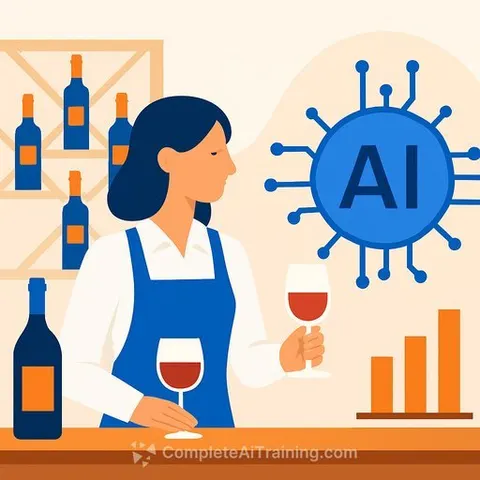
AI helps wine staff match guests with the right bottle-without replacing them
Artificial intelligence is changing how wine gets sold in restaurants and hotels, but not by automating the sommelier. Instead, the technology focuses on precision: getting the right glass to the right guest.
That distinction matters. AI-driven recommendations increase revenue by improving guest satisfaction, not by pushing expensive bottles, according to Rachel Wilson, general manager of the Napa Valley Marriott. When guests enjoy what they're drinking, sales follow naturally.
"When you're drinking something you like, then, of course, you're going to sell more of it," Wilson said. "Selling better is selling more."
The practical effect
In practice, this means longer table times, more orders, and a relaxed experience without aggressive upselling. The AI handles the pattern-matching work-tracking preferences, inventory, and what's moving-while staff focus on service and conversation.
E-commerce wine retailers already use AI for personalization. The technology reduces decision friction, increases customer confidence, and improves product discovery. Hospitality venues are applying the same logic to the restaurant floor.
Tastes shift faster than before
One reason AI adoption is accelerating: consumer preferences change rapidly, even in traditional wine regions. Napa Valley has seen non-alcoholic wine sales climb sharply and mocktail orders skyrocket in just two years.
"Don't think of this as something that you accomplish and then you're over with," Wilson said. "Inventory is constantly changing; variables are constantly changing; what's the top seller is constantly changing."
Staff armed with real-time data can respond to these shifts instead of relying on outdated wine lists or memory. The technology becomes a tool for hospitality professionals, not a replacement for them.
For more on AI for Hospitality & Events, explore how the technology is being applied across the industry.