
AI news ·
AI in fashion market projected to reach $9.45 billion by 2030, growing at 39.8% annually
AI in fashion is projected to reach $9.45 billion by 2030, growing at 39.8% annually. Brands are deploying AI across design, inventory, virtual shopping, and demand forecasting.
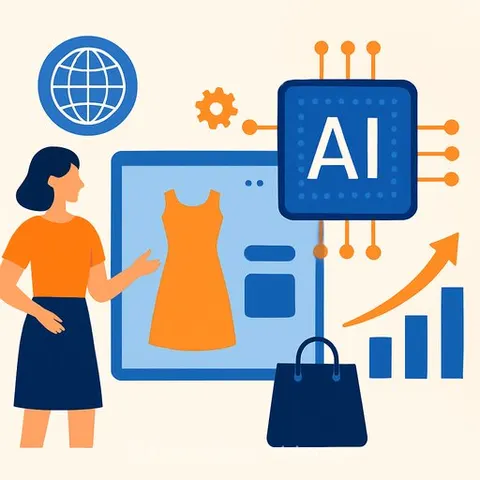
AI Fashion Market Projected to Hit $9.45 Billion by 2030
The artificial intelligence market in fashion will grow at a compound annual rate of 39.8% through 2030, driven by adoption of AI design tools, sustainability analytics, virtual shopping, and real-time demand forecasting. The market is expanding as brands deploy machine learning to personalize customer experiences and manage inventory across multiple sales channels.
Where the Growth Is Happening
The market segments into five main categories: apparel, accessories, footwear, beauty and cosmetics, and jewelry. Within each, AI serves distinct functions-virtual try-ons for clothing, personalized jewelry recommendations, custom footwear solutions, and virtual makeup matching.
Companies are building AI platforms that combine design tools, data systems, and deployment capabilities. Spanish retailer Mango launched Lisa, a generative AI assistant, in October 2023 to help employees with design work, trend analysis, and customer service.
Who's Leading the Market
Tech giants including Alphabet, Microsoft, Meta, and Amazon Web Services are competing alongside fashion-focused AI specialists like Stitch Fix, True Fit, and Nextail Labs. Retail players like H&M's Ivyrevel and Farfetch are also building AI capabilities.
Thailand-based Hi-Tech Apparel acquired UK-based Unmade in July 2024 to combine AI-driven design with sustainable manufacturing. Unmade uses AI to customize clothing production and respond faster to market shifts.
What Marketers Should Watch
The key applications for marketing teams are personalized product recommendations, virtual assistants for customer service, and product search tools powered by AI. AI for Marketing covers these personalization and omnichannel strategies directly.
Demand forecasting and trend analysis are also central. AI systems now predict what customers want before they know themselves, helping brands stock the right products and time their campaigns.
For teams working on product design and development, AI Design Courses cover the tools reshaping how fashion companies approach creative work.
The Practical Takeaway
AI in fashion isn't abstract anymore. It's deployed in customer interactions, inventory systems, and design workflows at major retailers. The 39.8% growth rate reflects real adoption, not speculation. Marketers who understand how these systems work-particularly around personalization and demand planning-will have a clearer picture of where their industry is headed.