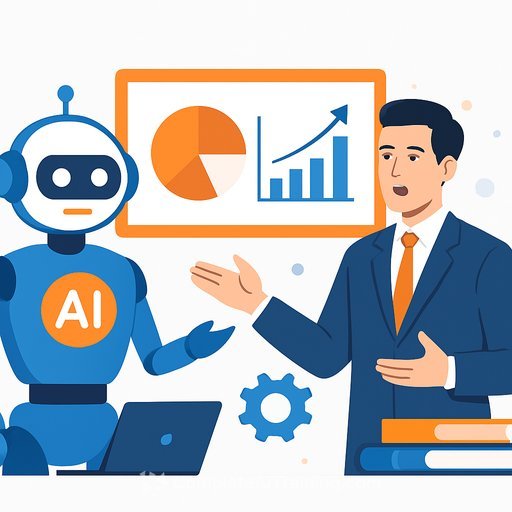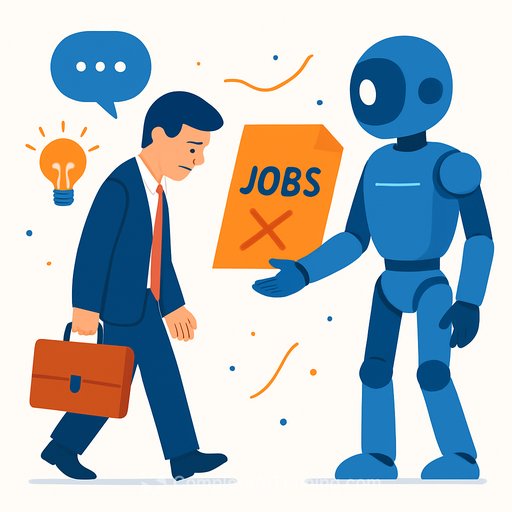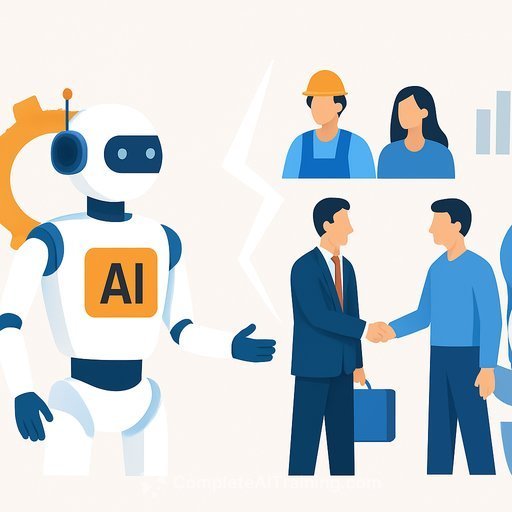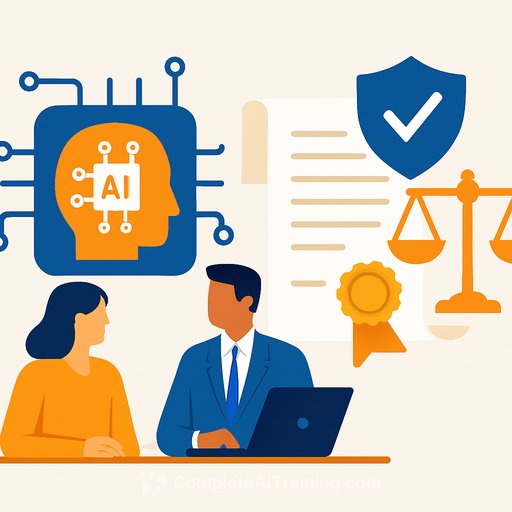
Artificial intelligence (AI) is becoming a common tool in HR, offering help with recruitment, performance monitoring, and productivity tracking. While these tools can boost efficiency, HR professionals need to be cautious about the legal and ethical issues that come with AI, especially since current UK employment laws weren't created with AI in mind.
Legal Risks of Using AI in HR
One of the biggest challenges is that AI can weaken the personal connection between employer and employee. AI systems make decisions based on algorithms and data that aren’t always transparent. This means HR teams might not know which factors influenced a decision or how much weight each factor carried.
Worse, AI can unintentionally reinforce existing biases. If these biases negatively affect particular groups, employers risk discrimination claims under the Equality Act 2010. Because AI decisions can be hard to explain, it’s essential to keep human judgment involved in any key HR decision-making.
Another concern is digital exclusion. The Equality and Human Rights Commission has highlighted the risk of AI sidelining older or disabled employees. Ensuring AI tools don’t create barriers for these groups should be a priority.
AI and Employee Monitoring
AI is also used to track employee attendance and productivity. Some companies monitor keystrokes or use facial recognition with cameras and telematics to keep an eye on drivers. While these technologies can improve efficiency, they raise serious data privacy concerns.
Employers must be transparent about any monitoring and ensure it complies with data protection laws to avoid violations. Clear communication with employees about what is monitored and why is key.
Current Regulatory Environment
The UK currently lacks AI-specific laws. Instead, existing employment and data protection laws like the Equality Act and UK GDPR handle AI-related issues. The government’s AI Opportunities Action Plan, published in January 2025, promises a flexible regulatory approach without introducing an overarching AI law anytime soon.
For businesses operating in Europe, the EU AI Act is something to watch, as it introduces stricter AI regulations that could apply when working with European markets.
Practical Steps for Using AI Responsibly in HR
- Train your team: Help staff understand the data protection risks of AI and how to keep personal information safe.
- Create clear AI policies: Define what AI tools are allowed, the tasks AI can support, and rules to protect confidential data.
- Conduct Data Protection Impact Assessments: Evaluate AI risks before rolling out new tools and review them regularly.
- Keep humans in the loop: Don’t rely solely on AI for big decisions like hiring, performance reviews, or dismissals. Always include human review.
AI holds a lot of promise for HR teams, but it requires a careful, measured approach. By recognizing the legal risks and setting clear boundaries, businesses can benefit from AI without exposing themselves to unnecessary risks.
For those interested in deepening their knowledge on AI applications and compliance, consider exploring courses and resources available at Complete AI Training.
Your membership also unlocks: