AI in Recruitment: Strategic Tool or Risky Overreach?
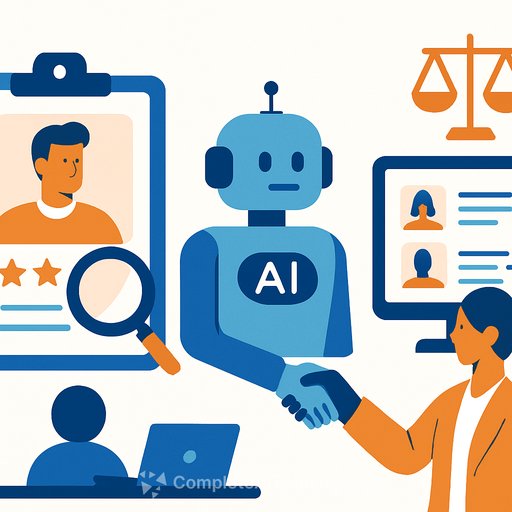
Employers face intense competition for talent, and artificial intelligence (AI) is increasingly central in hiring. AI promises to speed up processes and handle scale, but it also raises questions about fairness, reliability, and the potential loss of human judgment.
Paul Hamilton, director of national talent attraction strategy and operations at KPMG Canada, calls AI a pivotal advantage in recruitment. He highlights how AI helps hiring teams reach qualified candidates faster by streamlining administrative tasks. “In this ultra-competitive market, any edge to connect with the right candidates sooner is crucial,” he says.
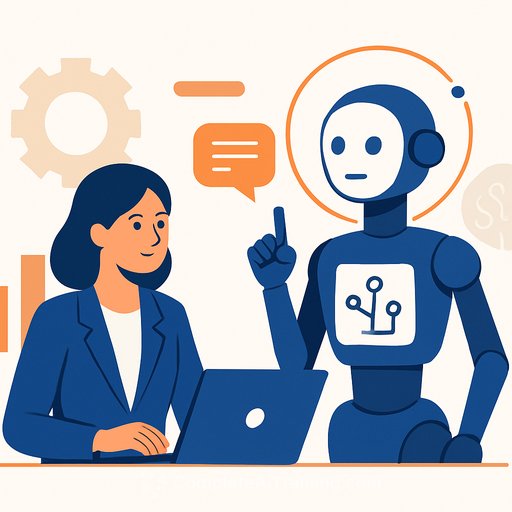
AI efficiently narrows down applicant pools, identifying top candidates for recruiters to review. Still, Hamilton stresses that AI doesn’t make hiring decisions. Instead, it reduces routine work so recruiters can focus on strategic elements. “The human must remain in the loop,” he emphasizes.
Human Leadership Over AI Control
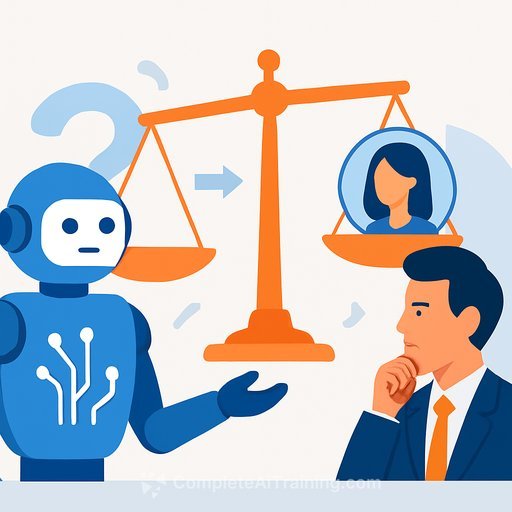
AI’s true potential lies in responsible use, guided by human leadership. Hamilton warns against placing AI at the core of hiring strategies. “When AI leads, organizations risk becoming dependent on the system instead of people,” he explains. He flips the common phrase “artificial intelligence and human resources” to “human intelligence and artificial resources,” underscoring that people should drive the process, with AI as a tool.
Ethics must be foundational. Transparency about AI use in recruitment is essential, including informing candidates. While privacy and cybersecurity governance are improving, risks remain—especially AI’s limited ability to assess interpersonal qualities.
Why AI Alone Can’t Replace Human Judgment
AI mainly analyzes resumes, LinkedIn profiles, and other data points, but it misses critical “power skills” like communication, eye contact, and conversational ability. Hamilton prefers this term over “soft skills” because these qualities are vital to client-facing roles. AI can’t evaluate how a candidate presents themselves or fits culturally, which is why humans must make the final call.
Three Practical Ways AI Supports Recruitment
- Reducing Administrative Burden: AI clears routine, time-consuming tasks, letting recruiters focus on interviewing and assessing skills, including power skills.
- Targeted Talent Engagement: By analyzing where professionals spend time online, AI helps recruiters tailor outreach to reach specific candidate groups more effectively.
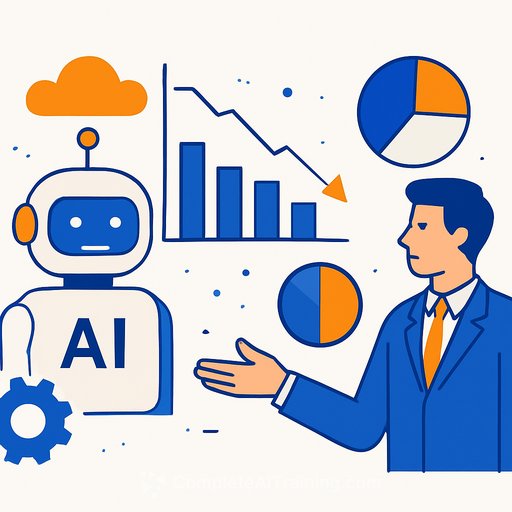
- Data-Driven Hiring Forecasts: AI predicts hiring timelines, enabling HR to plan ahead and minimize business disruption.
AI and Personalized Employee Benefits
Employee benefits require a deep understanding of individual needs. AI assists by synthesizing complex factors—like economic and social conditions—to help organizations anticipate evolving employee priorities. For example, KPMG offers $3,000 annually for mental health support, a decision informed by insights AI helps uncover.
Feeding context into AI platforms enables plan sponsors to design benefits packages that truly reflect employee needs. “It’s crucial to use AI to keep a pulse on what employees want and create packages that show you’re listening,” Hamilton adds.
For HR professionals interested in expanding their AI knowledge, exploring specialized AI training courses for HR roles can provide valuable skills in integrating these tools responsibly.
Your membership also unlocks: