Educators Demand AI Policies That Preserve the Human Side of Teaching
AI tools are becoming common in classrooms, especially among younger educators, but the human connection in education remains a top priority. A recent survey by D2L reveals that while many teachers and professors appreciate AI’s benefits—like efficiency and accessibility—they want clear guidance on how to use AI responsibly and effectively.
The survey included U.S. K-12 and higher education professionals, along with public respondents. It shows a strong interest in AI’s potential, especially from younger educators who are more likely to integrate AI chatbots into their teaching. At the same time, educators emphasize the need for policies that support academic integrity and thoughtful AI use without losing the personal touch that drives student success.
Key Findings from the Survey
- 88% of Gen Z educators used AI tools during the 2024–25 school year, compared to 48% of Gen X and 19% of Baby Boomers.
- 63% of Gen Z and Millennial educators believe AI will be essential in teaching by 2030, versus 48% of older generations.
- 38% of Gen Z educators see cheating as the main reason students use AI, while only 13% of Gen Z non-educators agree.
- Only 26% of Gen Z educators think students use AI to save time on schoolwork, compared to 34% of non-educators in the same age group.
- Educators are three times more likely to say AI has improved classroom engagement than to say it has made it worse.
These results highlight both optimism and caution. Younger educators are more open to AI’s role but remain mindful of challenges like cheating and loss of human interaction.
Human Connection and Responsible AI Use Are Priorities
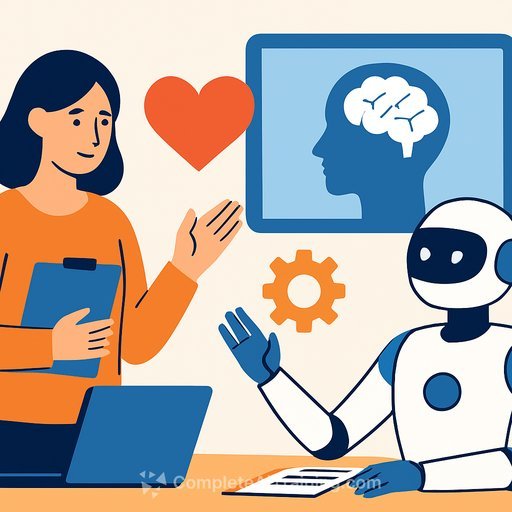
Most educators agree AI should support, not replace, traditional teaching. They want to lead decisions about AI use in their classrooms. The top concern? Losing the human connection with students. Other worries include over-reliance on AI tools, privacy issues, academic integrity, and equity.
Only 9% of educators reported having no concerns about AI in education. Around 44% said AI made learning more efficient but not necessarily more engaging or personalized. This matches opinions from the general public, showing a shared perspective on AI’s current impact.
Most educators (65%) believe teachers and administrators should decide how AI is adopted, rather than state or federal governments. Yet, 24% worry about being monitored or judged for how they use AI tools provided by their institutions.
Popular AI Tools and Growing Use
Among AI tools, ChatGPT by OpenAI is the most commonly used, followed by Google’s Gemini and Microsoft’s Copilot. AI is becoming part of everyday teaching, with 54% of educators already using these tools in 2024-25 and projections showing slight growth to 56% in the following academic year.
The main areas where AI use is expected to grow include:
- Supporting students with accessibility needs
- Detecting plagiarism
- Developing lesson plans
Why AI Literacy Starts With Educators
Educators set the tone for how AI is understood and used in classrooms. Many younger teachers see AI as a tool to save time and improve learning, but they also recognize the risks of misuse. Establishing clear policies and ongoing training is vital to ensure AI supports education without undermining trust or integrity.
For educators looking to strengthen their AI skills and better navigate this evolving landscape, resources like Complete AI Training's latest AI courses offer practical guidance tailored to education professionals.
As AI tools become more embedded in education, keeping human connection at the center will help ensure students receive both the benefits of technology and the mentorship they need to thrive.
Your membership also unlocks: