Ford CEO Highlights the Growing Gap Left by AI for Essential Workers
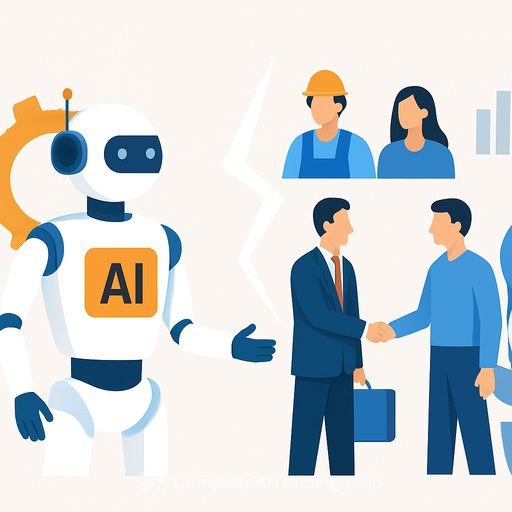
Ford CEO Jim Farley recently addressed a critical issue at the Aspen Ideas Festival: while artificial intelligence and new technologies are advancing rapidly, many essential workers are being left behind. These include factory employees, construction workers, HVAC installers—roles Farley calls the backbone of society.
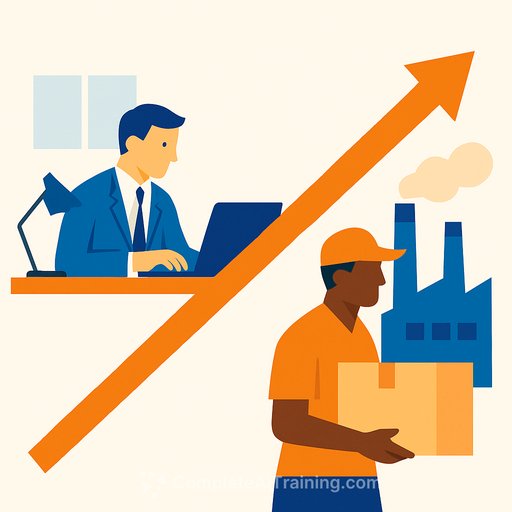
Despite significant productivity gains in white-collar jobs—up 28% according to research from The Aspen Institute—productivity among these essential economy workers has actually declined. At the same time, millions of job openings remain unfilled in factory, construction, and auto technician roles, creating a pressing labor shortage.
The Overlooked Workforce and National Dependency
Farley emphasized that industries like AI development and battery manufacturing still heavily rely on skilled tradespeople such as electricians, welders, and HVAC installers. He pointed out a broader national risk: dependence on manufacturing overseas has left the country vulnerable, especially in critical defense sectors. “We’ve forgotten a lot about that,” he said.
Vocational Training and Technology Integration Are Lacking
A major challenge is the insufficient government investment in vocational training. Farley noted limited focus on how robotics and augmented reality could boost productivity for labor-intensive jobs. Although he expects robotics to automate some tasks—estimating 10-20% of operations could be robotized—the majority of these roles still require human skills.
He shared an example from a Ford plant in Germany where a worker ingeniously used a bicycle tire and wooden slat to fix a truck tailgate stuck on the assembly line—something a robot couldn’t replicate.
Why Companies and Society Need a Clear Plan
Farley stressed that companies must develop strategies to support workforce transitions as AI becomes more prevalent. Beyond corporate efforts, a societal mindset shift is essential. He called for renewed respect and investment in trade schools, urging society to stop looking down on these vital professions.
To illustrate his point, Farley shared a personal story about his grandfather, Ford’s 389th hire and an hourly employee, highlighting that many families have roots in these essential jobs.
He concluded with a clear message: technology brings benefits, but it also leaves valuable people behind. “We have to have a plan for sustainment, and we don’t have that plan today,” Farley warned.
Key Takeaways for Executives and Strategy Leaders
- Recognize the value of essential workers: Their productivity and skills are critical to the economy and national security.
- Invest in vocational training: Public and private sectors need to prioritize training programs that prepare workers for evolving roles.
- Integrate technology thoughtfully: Use robotics and augmented reality to augment—not replace—human skills where appropriate.
- Create workforce transition plans: Companies should develop clear strategies to help employees adapt to AI-driven changes.
- Shift societal attitudes: Elevate the status of trade professions to attract talent and sustain these essential jobs.
For executives looking to build strategies around AI and workforce development, exploring practical AI education resources can be valuable. Platforms like Complete AI Training offer course options that help upskill workers and leaders alike.
Your membership also unlocks: