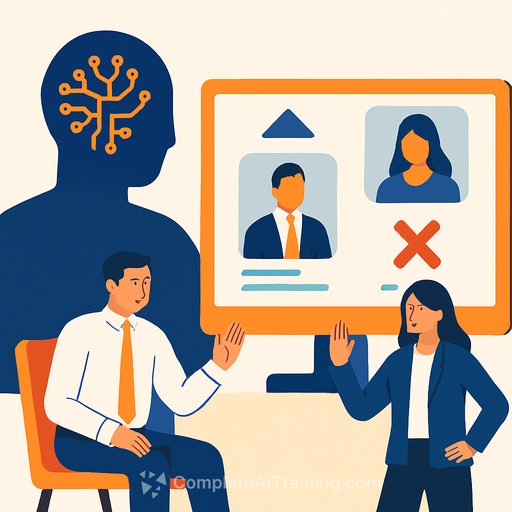
60% of managers now use AI for decisions on promotions and layoffs — is yours one of them?
How AI is shaping management decisions
According to the survey, 78% of managers use AI to determine raises, and 77% use it to decide promotions. When it comes to layoffs and firing decisions, 66% and 64% respectively lean on AI recommendations. More than 20% of managers often allow AI to make final decisions without human intervention. Still, most say they will override AI when they disagree with its suggestions.
Managers also use AI for tasks like creating training materials and development plans. While 91% use AI to assess employee performance, the survey did not clarify what metrics or criteria these assessments involve.
Replacing human roles with AI
Nearly half of the managers surveyed are responsible for evaluating if AI can replace their employees. Of those, 57% concluded that AI could take over certain roles, and 43% actually replaced a human position with AI. The survey didn’t specify which roles were replaced.
Popular AI tools in management
ChatGPT leads as the most used AI tool among managers, with 53% citing it as their go-to. Microsoft Copilot follows at 29%, and Google’s Gemini accounts for about 16%. The rest use other AI solutions.
Training gaps and ethical concerns
Despite widespread use, two-thirds of managers using AI lack formal training on the technology. Without standardized guidelines or regulations, ethical implementation remains unclear. AI can provide data-driven insights but misses human context, empathy, and judgment.
Experts warn that organizations must use AI responsibly to avoid legal risks and maintain employee trust. Transparency is key. Employees should know when AI is involved in decisions affecting their careers and have opportunities to challenge those decisions.
What ethical AI use looks like
True ethical use requires radical transparency. Employees should have a say in what AI systems are used and understand exactly how they’re evaluated. They should also be able to appeal decisions made by algorithms, especially when those decisions impact job security.
One expert suggests the best AI tools empower employees rather than just management. However, this approach remains rare, particularly in the U.S.
Privacy concerns around AI in management
Employees have a right to know when AI is being used and how their data is handled. They should be able to ask questions and, where possible, opt out. Laws like Local Law 144 already require transparency in hiring when AI is involved.
It’s unclear how many managers inform their teams about AI use. Sharing sensitive employee data with AI tools without consent could create serious privacy issues.
How employees can protect themselves
AI is increasingly used for employee surveillance, from hourly workers to white-collar staff. Workers should collaborate with unions to demand transparency and co-decision rights regarding surveillance technologies in bargaining agreements.
Employees concerned about AI-driven decisions should ask managers for clarity on how AI tools influence evaluations and career outcomes. This can be difficult given existing workplace norms, but transparency remains essential for fairness.
For managers looking to improve their AI skills responsibly, consider exploring formal AI training courses to better understand ethical use and data privacy. Resources like Complete AI Training offer structured programs that can help you navigate AI implementation with more confidence and care.
Your membership also unlocks: