How AI Is Eating Professions - What It Means for Customer Support and Marketing
AI has moved from hype to habit. It writes, replies, routes, analyzes, and decides at a speed and cost humans can't touch. That doesn't mean "no humans." It means fewer repetitive tasks, more oversight, and a different job description.
If you work in customer support or marketing, the work is getting split. Machines handle the predictable. You handle the human parts: context, judgment, creativity, relationships. The people who win will learn to direct AI, not compete with it.
Why AI Adoption Is Accelerating
- Cheaper compute and better models
- Massive datasets for training
- Cloud platforms that make deployment simple
- Pressure to cut costs and lift output without adding headcount
In short: faster, cheaper, more consistent. That's why leaders treat AI as a necessity, not a nice-to-have.
Where Your Job Changes First
Customer Support: From Agents to Orchestrators
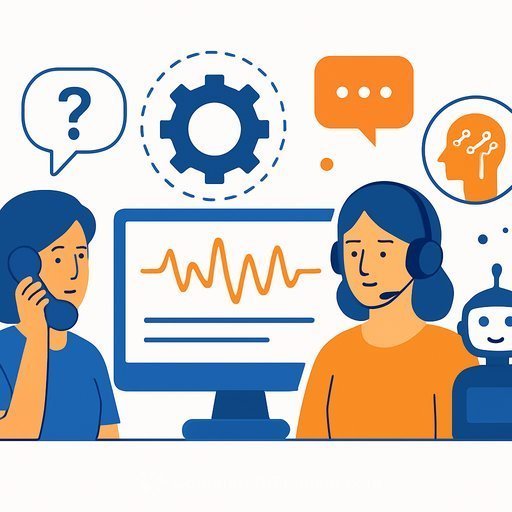
- Automated first response: AI handles FAQs, status updates, refunds within policy, and password resets.
- Smart triage: Intent detection and sentiment analysis route tickets to the right queue with the right priority.
- Assistive answers: Suggested replies, knowledge snippets, and form autofill speed up resolution.
- Quality and insights: Every conversation is scored for tone, accuracy, and compliance. Trends surface automatically.
Stays human: escalations, empathy in edge cases, policy exceptions, de-escalation, and relationship repair.
Marketing: From Manual Production to Creative Direction
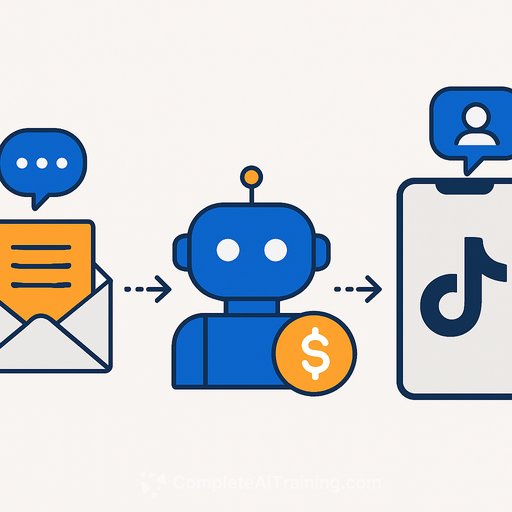
- Content at scale: Drafts for blogs, ads, emails, and landing pages based on briefs and brand voice.
- Audience intelligence: AI clusters segments, predicts intent, and suggests angles that convert.
- Testing and optimization: Auto-generate variants, run micro-tests, and promote winners quickly.
- Media ops: Budget pacing, keyword and bid tweaks, and daily performance summaries.
Stays human: strategy, narrative, creative judgment, ethics, and partnerships.
Augmentation vs. Replacement
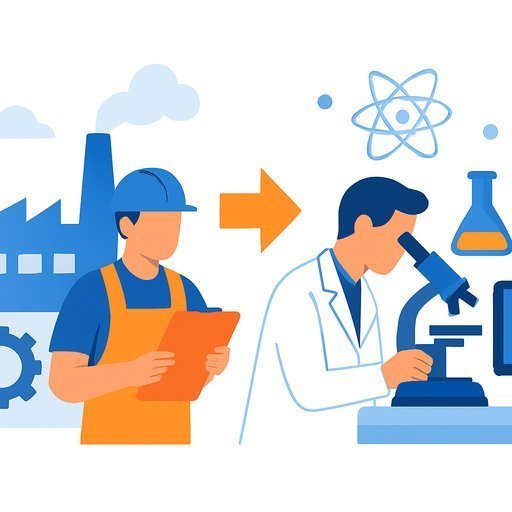
AI takes the repetitive, predictable, and rules-based tasks. You take the messy ones: context, ambiguity, and trust. In practice, you become the person who sets intent, checks quality, and makes the final call.
- Support: AI drafts; you edit and escalate when emotion or risk is high.
- Marketing: AI proposes; you brief, refine, and align with brand and goals.
Who's Most Exposed (and Who's Safer)
- Higher exposure: basic ticket handling, macro-driven replies, data entry, list cleaning, standard copy, routine ad ops.
- More resilient: CX strategy, lifecycle design, community building, partner marketing, creative direction, compliance-sensitive communications.
The Skills That Pay Now
- Prompting and systemizing: write briefs and prompts that consistently produce on-brand outputs.
- Conversation design: map intents, flows, fallbacks, and escalation rules.
- Data sense: read dashboards, define metrics, and sanity-check model outputs.
- QA and governance: set guardrails for tone, claims, and approvals.
- Light automation: connect tools with no-code or simple scripts (APIs, webhooks, Zapier/Make).
- Human skills: creativity, negotiation, judgment, leadership.
New Roles You'll Start Seeing
- CX automation strategist
- Conversation designer
- AI content editor
- Data and governance lead for messaging
- Ad creative ops with AI testing
- AI QA specialist
A Simple 90-Day Plan
Customer Support
- Days 1-30: Audit top intents and macros. Build a style guide and escalation rules. Pilot AI-assisted replies on low-risk tickets.
- Days 31-60: Add intent-based routing, sentiment flags, and knowledge auto-suggestions. Track AHT, CSAT, FCR, and deflection rate.
- Days 61-90: Automate FAQs end-to-end with clear fallbacks. Launch a QA process that samples AI outputs weekly. Expand languages if relevant.
Marketing
- Days 1-30: Create on-brand prompt kits (voice, claims, disclaimers). Use AI for first drafts and research summaries.
- Days 31-60: Spin up AI-driven variant testing for ads, subject lines, and CTAs. Tight loop: brief → generate → test → learn.
- Days 61-90: Automate weekly performance reports and creative insights. Standardize approvals for AI-generated content.
Ethics and Guardrails (Non-Negotiable)
- Human-in-the-loop for sensitive claims, policy exceptions, and healthcare/finance topics.
- Source checking for facts; no fabricated references.
- Privacy-first: respect consent, data retention, and regional rules.
- Bias reviews: test outputs across segments; adjust prompts and policies.
For broader labor and policy context, see the Future of Jobs research by the World Economic Forum (report) and workforce studies from McKinsey (explainer).
The Global Split
Countries investing in infrastructure, cloud, and AI skills move faster. Others risk job losses without equivalent job creation. For teams, the takeaway is simple: upskill early. Don't wait for a mandate.
Long-Term Outlook
AI will keep absorbing tasks. Your edge is taste, trust, and strategy. The best operators use AI to get 10x output, then spend the saved time on higher-leverage work-customer insight, brand, partnerships, and creative bets.
Get Practical Training and Tools
- Find role-specific learning paths: Courses by Job
- Level up your marketing career: AI Certification for Marketing Specialists
- Upgrade your prompting playbook: Prompt Engineering
- Build a modern content stack: AI Tools for Copywriting
Bottom Line
Don't wait for permission. Start small, ship improvements weekly, keep a human in the loop, and measure everything. AI won't replace you if you learn to direct it.
Your membership also unlocks: