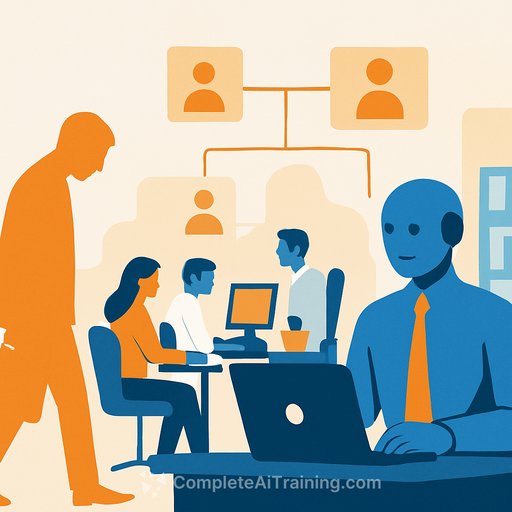
The Hard Truth About AI and Its Impact on White-Collar Jobs
Artificial Intelligence is no longer just a buzzword promising efficiency—it’s quietly reshaping the office landscape. While AI may not be outright replacing middle managers yet, it’s enabling companies to operate with fewer of them. This shift has some CEOs openly acknowledging that millions of white-collar jobs could vanish sooner than expected.
Why Middle Managers Are Disappearing
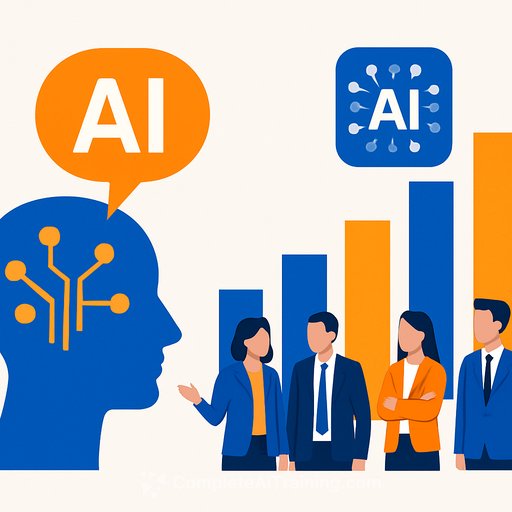
Middle managers have long been a staple in corporate hierarchies, often viewed as a necessary step for climbing the career ladder. But over the past five years, their numbers have sharply declined. Data from payroll provider Gusto shows that a single middle manager today oversees twice as many employees as they did half a decade ago.
Big Tech companies have dubbed this trend the "Great Flattening." Microsoft, Amazon, Google, and Meta have all announced cuts to their management ranks while increasing investments in AI tools. Microsoft, for example, plans to lay off 9,000 employees, including managers, to focus more on AI development.
AI Tools Are Driving Leaner Management
Managers are increasingly adopting AI to automate tasks like hiring, firing, promotions, and performance assessments. This automation frees up time but also signals to leadership that fewer managers are needed to maintain productivity.
Interestingly, Gusto's analysis indicates that industries with more human managers currently show higher productivity. However, this might be a temporary phase as companies adapt to AI-enhanced workflows.
CEOs Predict a Shrinking White-Collar Workforce
- Ford’s CEO, Jim Farley: Warned that AI could eliminate half of the white-collar jobs in the U.S.
- Amazon’s CEO, Andy Jassy: Announced plans to reduce corporate staff due to AI efficiency gains.
- Dario Amodei, CEO of Anthropic: Suggested AI could cut entry-level white-collar jobs in half, potentially pushing unemployment up to 20% within five years.
These roles—entry-level and middle management—are crucial stepping stones for career growth. Their disappearance threatens to slow down workers' career progression significantly.
The Challenge for Young and Experienced Workers
Entry-level workers face growing barriers. Tasks once done by junior staff—like simple coding, document review, or customer service—are increasingly handled by AI. This shift deprives younger employees of valuable experience needed to climb the career ladder.
According to research cited from the Center for American Progress, a few months of unemployment early in a career can reduce earnings by tens of thousands over the next decade.
On the flip side, some experts argue younger workers might adapt better to AI tools, while tenured employees who rely on routine skills could struggle to keep up. Others point out that AI's ability to replicate specialized skills reduces demand for experienced professionals, potentially leading to layoffs or fewer hiring opportunities.
Where Are We Now? The Slow but Steady Adoption of AI
Despite the headlines, AI adoption in business remains relatively modest. The U.S. Census Bureau reports that AI usage among companies has increased from under 4% to just over 9% in 2023, with plans to adopt AI nearly doubling.
This suggests a cautious approach as companies balance the benefits of AI with workforce changes. But the trend is clear: AI will play a bigger role in decision-making and operations, impacting management structures and job availability.
What Managers Should Do Next
For those in management, understanding AI’s growing influence is critical. Embracing AI tools can improve efficiency and help demonstrate value in a changing environment. At the same time, developing skills that complement AI—like complex problem-solving, emotional intelligence, and strategic thinking—will become even more important.
If you want to stay ahead, consider exploring targeted AI training courses that focus on AI office tools and automation strategies. Resources like Complete AI Training’s office tools courses offer practical insights tailored for professionals navigating these changes.
AI is reshaping the workforce. Managers who adapt proactively can protect their roles and lead teams effectively in this new era.
Your membership also unlocks: