Artificial Intelligence and the Decline of Middle Management
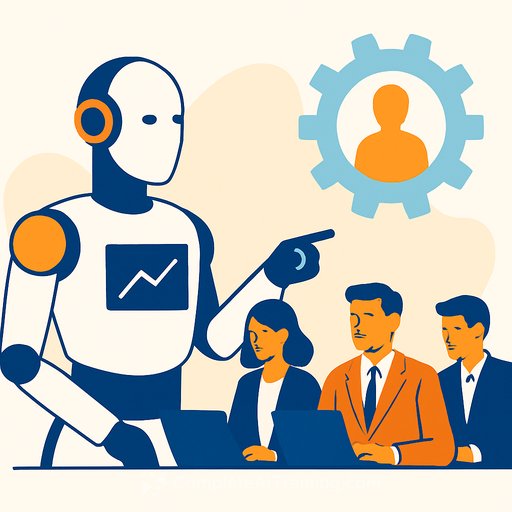
Artificial intelligence is steadily changing how companies structure their workforce, with a notable trend of automating middle management roles. These positions, once considered secure from automation, are now being reduced as organizations seek efficiency gains.
Companies adopting AI-driven management tools claim significant savings in both time and costs. Automating routine decision-making and supervisory tasks streamlines operations, allowing businesses to allocate resources elsewhere.
The Cost and Efficiency Argument
Removing layers of middle management through AI can speed up workflows and reduce overhead expenses. Automated systems can monitor team performance, generate reports, and even handle scheduling without human intervention.
This shift appeals to companies aiming to remain competitive by cutting unnecessary expenses. However, the reliance on AI in these roles raises questions about what might be lost in the process.
The Human Element in Leadership
Critics argue that eliminating middle managers risks losing the personal touch that human leaders bring to a team. Middle management often acts as a bridge between executives and frontline employees, providing mentorship, motivation, and conflict resolution.
AI may handle data and processes efficiently, but it lacks emotional intelligence and the ability to adapt to nuanced interpersonal situations. This absence could affect team dynamics and employee satisfaction.
What This Means for Managers
- Managers need to develop skills that AI cannot replicate, such as emotional intelligence, strategic thinking, and people management.
- Understanding AI tools and how to integrate them effectively into leadership will be essential.
- Continuous learning and upskilling in AI-related areas can help managers stay relevant and valuable.
For those in management looking to adapt, exploring targeted AI courses can be a practical step. Platforms like Complete AI Training offer programs tailored to leadership roles seeking to integrate AI thoughtfully.
Conclusion
The rise of AI in middle management signals a shift in how leadership roles are defined and executed. While automation offers clear operational benefits, maintaining the human aspect of management remains critical for team success.
Managers who embrace AI tools while strengthening their interpersonal skills will be best positioned to thrive in this evolving landscape.
Your membership also unlocks: