AI-led layoffs are boomeranging back: what HR needs to know
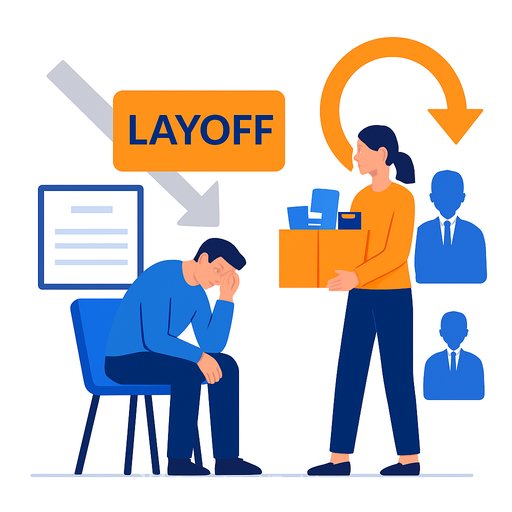
A new Careerminds study of 600 HR leaders (surveyed in February 2026 after conducting layoffs in the last 12 months) shows a fast and costly reversal. Two in three employers that cut roles due to AI have already started rehiring the people they let go - many within months.
The signal is clear: decisions were made before the tech, the work, and the skills picture were fully understood.
The rehiring rebound
- 32.7% rehired 25% to 50% of roles cut for AI.
- 35.6% rehired more than half of the eliminated roles.
- 52.1% rehired within six months; 17.8% within three months; 2.1% waited over a year.
Translation: the work didn't disappear. It shifted, got messier, and required human judgment that wasn't accounted for.
Instant regrets and operational drag
- More than half of HR leaders said AI needed more human insight than expected.
- Over 20% said their AI tools underperformed or failed to deliver.
- Only 21.4% fully replaced roles with no operational issues; 66.1% replaced only some roles successfully.
- About a third reported a loss of critical skills and expertise.
- More than a quarter said remaining employees lacked the skills to close the gaps.
"What ties all these findings together is that the organisations that struggled the most were making significant, irreversible decisions without the full picture of AI capabilities and what a reduction would do to their workforce," the report stated.
What leaders would do differently
- 41.2% would change their approach to AI-related redundancies.
- 50.3% would make selective changes (which roles were cut, sequencing, safeguards) rather than a full overhaul.
- Over half said up to 25% of eliminated roles could have been transitioned with proper redeployment support.
- 28.3% said 26% to 50% of roles had redeployment potential.
- Yet 55.1% did not formally discuss reskilling or redeployment.
Practical playbook before any AI-related reduction
- Shift from roles to tasks: Decompose each job into automatable, augmentable, and human-critical tasks. Cut work, not blindly cutting titles.
- Run scenario tests: Pilot AI on a small scope for 60-90 days. Track quality, cycle time, rework, exceptions, risk incidents, and hidden human "shadow work."
- Set guardrails: Define acceptance thresholds and an escalation path when metrics dip. Make "pause and reverse" an explicit option.
- Redeploy first: Stand up internal mobility, short rotations, and micro-upskilling to move people into adjacent work before considering exits.
- Protect critical skills: Identify single points of failure, institutional knowledge, controls, and customer trust touchpoints that must stay human-led.
- Vendor accountability: Lock in service levels, exception handling, data quality responsibilities, and rollback clauses with AI providers.
- Total cost math: Model integration time, process redesign, training, quality drift, compliance exposure, and rehiring risk - not just license savings.
- Transparent comms: Set clear expectations with managers and employees on pilots, timelines, and criteria for scale-up or rollback.
Signals you are cutting too fast
- Rising error rates, customer complaints, or compliance misses.
- Throughput up but rework/backlog growing.
- Manager overtime and "off-the-books" manual fixes.
- Increased reliance on contractors to plug gaps.
- Bottlenecks around a few remaining subject-matter experts.
Data leaders said they needed (before deciding)
- Clearer view of what AI can and cannot do in their workflows.
- Richer data on employee skills and potential to transition.
- Tools to test workforce-change scenarios before committing.
Make smarter calls on AI, skills, and structure
If you're evaluating AI-driven changes, invest first in your skills inventory, task mapping, and pilot discipline. Most missteps above come from skipping those three steps.
For practical, HR-focused guidance on workforce analytics, redeployment, and AI use cases, explore AI for Human Resources. If you need a structured curriculum to upskill your team quickly, see the AI Learning Path for HR Managers.
Your membership also unlocks: