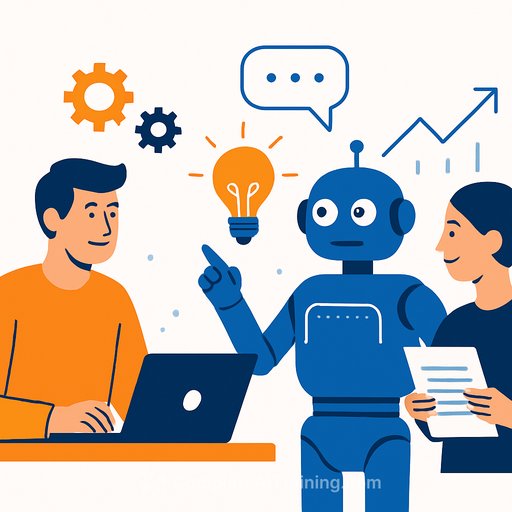
AI is Not the Enemy of Good Work
Artificial intelligence (AI) is often viewed with suspicion, especially in human resources. Some prefer to avoid it altogether, believing that doing things manually makes their work more meaningful. The reality is different: good work isn’t about effort—it’s about impact.
AI isn’t here to replace human potential; it’s here to expand it. For HR teams managing global and distributed workforces, AI helps cut through complexity and focus on what truly matters—building smarter, more inclusive, efficient, and adaptable teams. Stakeholders care about results, not the amount of manual labor behind them.
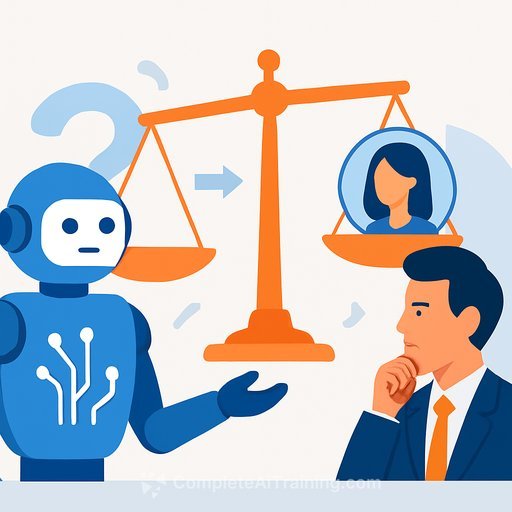
Resistance to AI usually stems from fear: fear of job loss, loss of control, or uncertainty about the future. But AI’s role isn’t to replace people; it’s to improve how they work. The real question isn’t whether to use AI, but how to use it effectively.
As Jensen Huang, CEO of Nvidia, put it: “You are not going to lose your job to AI, but you’re going to lose your job to someone who uses AI.” AI isn’t perfect—it makes mistakes—but that’s a reason to learn, not avoid it. AI today is its worst version; it will only get better, smarter, and more reliable when paired with human insight.
Skills Equalizer in Global Hiring
Hiring often carries biases—who you know, your background, or where you live. AI can help change that by evaluating candidates based on skills rather than origins. A self-taught developer in Indonesia can compete fairly with a Harvard graduate.
When combined with remote work, AI levels the playing field and opens opportunities that were once out of reach. This shift helps HR professionals build diverse, capable teams without traditional barriers.
Data-Driven Productivity
AI makes everyday work smoother. Tools that balance workloads, automate repetitive tasks, and reduce micromanagement help teams stay focused. Scheduling AI cuts through time zone challenges—critical for teams spread across regions like Australia, Singapore, India, and South Korea.
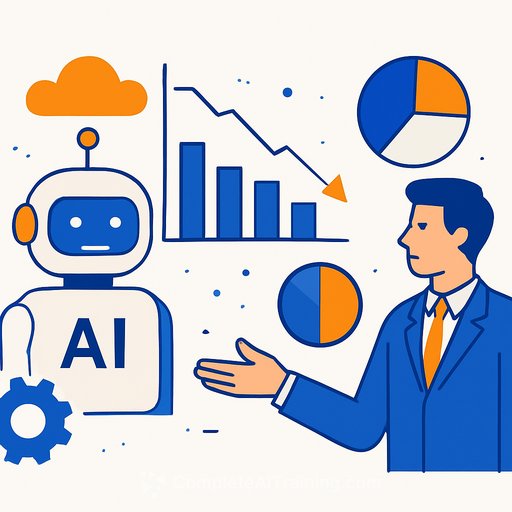
Predictive analytics identify signs of burnout early, freeing HR to support employee well-being proactively. Compliance is another area where AI shines, providing up-to-date information on employment laws and local regulations. This reduces risk and makes expanding across borders less stressful.
Managing global payroll is often a headache due to tax rules, payment methods, and regulations. AI and automation simplify this process by ensuring accurate, timely payments and streamlined tax filings. This allows HR teams to focus on higher-value work instead of administrative burdens.
The Path Forward: AI as a Strategic Tool
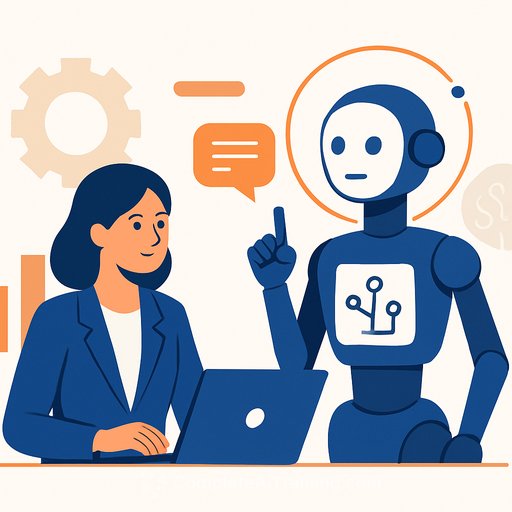
Not every job changes overnight, and not every HR professional needs to become an AI expert. But leaders must pay attention. This is a real change—not a battle between humans and machines, but a partnership.
Despite alarming headlines about job risks and unprepared workforces, AI is a tool to be learned and used. Those who embrace AI will build stronger, more resilient teams.
If you’re still skeptical, ask yourself: Are you more focused on how work gets done or what gets done? AI helps us deliver more, faster—and that’s the point.
Your membership also unlocks: