
AI news ·
AI makes writing easier but rewards shortcuts over skills, columnist argues
AI tools have cut research time from hours to minutes, but the real risk isn't plagiarism-it's users skipping verification and judgment entirely. Work that passes as original thinking may reflect nothing more than formatted AI output.
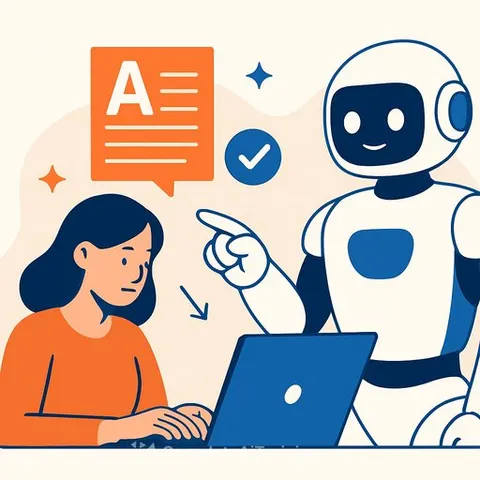
AI has killed plagiarism. What replaces it is murkier.
Free AI tools have fundamentally altered how writers, students, and professionals approach research and deadlines. The shift is not subtle: what once required hours of searching through journals, records, and indices now takes minutes of conversation with a language model.
For journalists and content creators, the efficiency gain is real. Asking AI to synthesize information on a topic, then refining the question repeatedly, produces research in a fraction of the old time. The tool works beyond information gathering too-trip planning, recipe development, product reviews, spare parts sourcing. The just-in-time approach to work has accelerated dramatically.
The plagiarism problem was never the tool
Academic institutions and legal systems have reacted with alarm to AI-generated text. Students caught submitting AI output as their own work face consequences. Teachers and judges express outrage.
But the vice isn't AI use itself. The vice is the failure to verify what the tool produces. AI systems generate references that don't exist. Anyone checking the citations catches the fraud immediately.
A second, less obvious problem sits deeper: the user abandoning their own judgment. A student can load assigned readings into an AI system, ask the assignment question, and receive output that mirrors the teacher's marking rubric. Add a typo, shuffle paragraphs, insert an unnecessary adjective, cite one accurate source-and the work passes as original thinking.
The student learns nothing. The teacher remains satisfied. The system rewards compliance over comprehension.
Where AI actually helps creatives
For writers working under real constraints, AI solves genuine problems. A funding application requires specific vocabulary and tone to succeed. A student with a poor teacher can use AI to understand the assignment's expectations before developing their own approach. A journalist can ask AI to summarize years of coverage on a topic, then follow up with original reporting.
The difference lies in what the user does next. Effective use of AI requires clear thinking about what you're asking and why. You must know enough about your subject to spot when the system has invented details. You must bring your own skill and judgment to the problem.
Without that layer of human oversight, you're not writing-you're pasting with better formatting.
The real change is visibility
What has genuinely shifted is how work gets discovered and used over time. A publication funded by advertising rather than paywalls benefits from AI's ability to surface old articles. Someone asks an AI system to summarize everything published on a topic since a specific date, and the archive becomes accessible in seconds.
Work that was "here today and forgotten tomorrow" now reaches readers far into the future. That changes the incentive structure for writers: the piece you publish today might be read and cited years later.
That's worth thinking about more carefully than whether plagiarism is dead.