
AI news ·
AI may need clear boundaries to preserve human autonomy, commentary argues
A 2026 analysis calls for absolute, non-negotiable AI rules to replace U.S. slow regulatory approach. It warns that without them, market incentives could erode democratic stability.
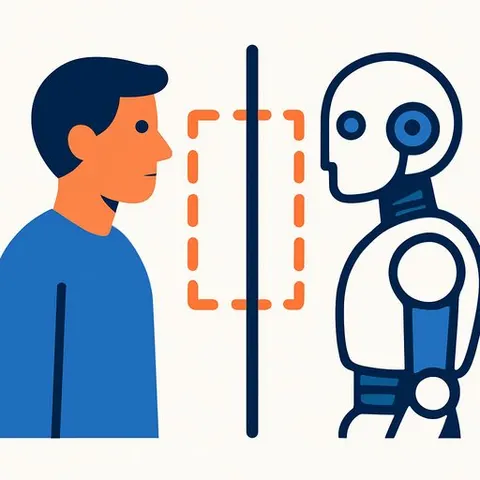
A 2026 analysis argues the United States must abandon its historically slow, malleable approach to regulation in favor of absolute, non-negotiable rules for artificial intelligence as the nation approaches its 250th anniversary. The argument, published July 2, warns that without clear "do not cross" lines, market incentives and unchecked technological capability could erode democratic stability and human autonomy.
The American constitutional republic has long favored regulatory frameworks that evolve through court decisions, agency guidance, and legislative compromise. This flexibility lets policy adapt to new circumstances, but it also moves at a pace that critics say is poorly suited to AI systems that develop, deploy, and cause harm in real time.
Why traditional governance models are under pressure
Congressional hearings, agency white papers, and multi-year rulemaking processes were designed for industries where change happens over decades. AI development cycles measure progress in months. When a model can be trained, released, and replicated globally before a single public comment period closes, the usual tools look mismatched.
Courts can set precedent, but only after someone has been injured and a case winds through years of litigation. That reactive posture, the analysis contends, is too slow for systems that can influence elections, automate discrimination, or concentrate power with a handful of private actors.
Bright-line rules for an opaque technology
The commentary states the problem directly: "Historically, our constitutional republic has resulted in us leaning toward this more malleable but slow-reacting approach. However, given the speed and consequences at stake, AI may require something closer to commandment-based boundaries, clear 'do not cross' lines designed to preserve human autonomy and democratic stability regardless of market incentives or technological capability."
Those boundaries would not depend on a regulatory agency updating guidance or a judge interpreting a statute's intent. They would act as categorical prohibitions: certain uses of AI are always prohibited, irrespective of the commercial benefit they might offer. The approach mirrors how some Western democracies handle human cloning or germline genetic editing-technologies that are banned outright rather than managed through risk assessments.
Such rules would need to cover automated decision-making that substitutes machine judgment for human judgment in high-stakes contexts, mass surveillance applications that undermine free association, and systems that manipulate information ecosystems at scale. The challenge, however, is drafting language that remains effective as technical architectures change.
Implications for legal frameworks
Attorneys advising corporate clients already see international regulations like the EU AI Act creating compliance burdens that vary by jurisdiction. A U.S. move toward categorical bans would further fragment the global landscape. Lawyers in private practice, in-house roles, and government service would need to help clients build compliance programs around static rules rather than flexible standards.
Policymakers and public-sector attorneys face the task of translating technical AI capabilities into legally enforceable language. Courses focused on government AI frameworks can give these professionals the domain knowledge to draft rules that hold up under legal challenge and achieve their intended protective purpose. Programs such as AI for Government Courses address the gap between engineering realities and legislative drafting.
Why this matters for legal professionals
Hard legal boundaries change how risk is assessed, how contracts are structured, and how liability is allocated. If the U.S. adopts categorical prohibitions, legal professionals will need to identify which use cases fall inside those lines without relying on the balancing tests and reasonableness standards that dominate today's regulatory environment. Developing that interpretive muscle requires targeted education. AI for Legal Professionals Courses offer training in the regulatory and technical concepts that will define this rapidly approaching shift.