AI Adoption in Labs: Strategy Before Speed
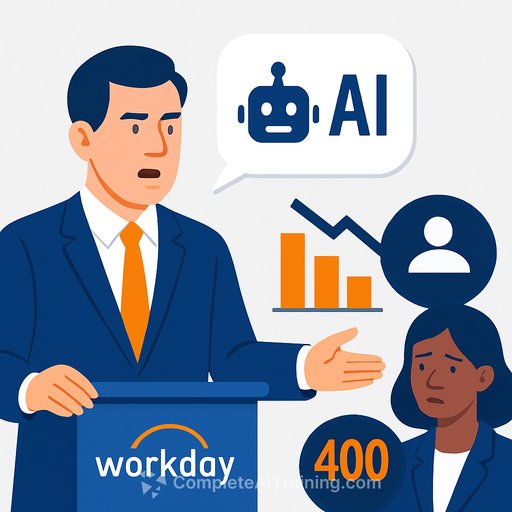
Organizations across sectors are accelerating digital change, and a new HR trends report shows AI adoption is outpacing employees' ability to absorb it. While the report isn't specific to labs, the patterns-rapid implementation, low maturity, and pressure on workforce capacity-fit what many research and clinical environments are feeling.
For laboratory leaders, the message is clear: tools are arriving faster than the practices needed to use them well. If you're planning LIMS upgrades, ELNs, digital scheduling, image analysis, or data-driven decision tools, set strategy first.
AI Adoption Is Outrunning Readiness
The report notes that 68% of organizations are already implementing AI, while only 14% have a formal AI strategy. That gap shows up as unclear ownership, weak governance, and inconsistent training.
In a lab, that translates into tool deployment without updated SOPs, validation plans, or role clarity. A better approach: define the use-case pipeline, decision rights, human-in-the-loop controls, and support for employees before the first pilot goes live.
HR + IT: The Partnership That Makes Adoption Stick
Success depends on HR and IT moving in step. IT builds and integrates systems. HR equips people with training, communication, and change support. When these functions work apart, adoption stalls and the lab's quality standards take a hit.
Bring them together early. Set learning paths, brief managers on how jobs will shift, and establish office hours, champions, and quick-reference guides. For regulated or clinical labs, loop in Quality and Compliance to align validation and documentation from day one.
Workforce Capacity Is the Constraint
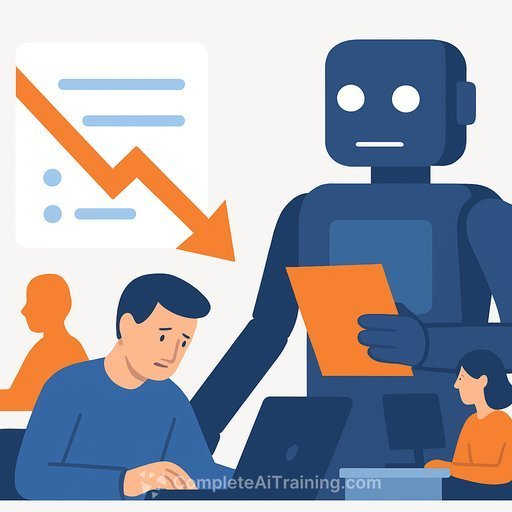
Change fatigue is real. Employees are juggling new tools while keeping turnaround times and accuracy steady. Without sequencing and resourcing, cognitive load climbs and errors follow.
Limit concurrent pilots, schedule learning into work plans, and remove low-value tasks before adding AI work. Treat adoption as workload, not a side project.
Practical Moves for Lab Managers
- Create a formal AI strategy: define target use cases, data sources, risk controls, validation requirements, RACI, and success metrics.
- Align HR and IT: co-own training, communication, and support. Publish what's changing in each role and how performance will be measured.
- Sequence adoption: prioritize 1-2 high-value use cases, prove value, then expand. Avoid parallel rollouts that overload teams.
- Clarify responsibilities early: spell out human oversight, escalation paths, and sign-off steps for AI-assisted results.
- Monitor and adapt: use lightweight surveys and floor feedback to spot friction. Iterate training, SOPs, and UI configuration quickly.
- Protect quality and compliance: validate models and workflows, document changes, maintain audit trails, and keep human review where it matters.
Build Governance That Scales
Adopt a simple governance model that can grow with demand: a small review group (IT, HR, QA/Compliance, and a lab lead), a common intake form for use cases, and standard decision criteria (risk, data readiness, impact, effort). Keep records transparent and accessible.
If you need a reference framework, the NIST AI Risk Management Framework offers practical guidance on risk, oversight, and integration.
Measure What Matters
- Turnaround time and rework rates
- Error rates and deviation trends
- Adoption and usage by role
- Employee capacity and sentiment
- Audit findings tied to AI-enabled steps
A Balanced Path Forward
AI can help labs improve throughput and consistency, but only if the people side keeps pace. Balance ambition with the capacity required to sustain change. Set structure now-strategy, roles, training, and sequencing-and the technical wins will hold.
If you're formalizing role-based learning plans for HR, managers, or scientific staff, explore curated options by job role at Complete AI Training.
Your membership also unlocks: