
AI news ·
AI patent litigation lags behind soaring filings, but companies should prepare now
AI patent filings in machine learning jumped from 426 in 2008 to over 32,000 in 2025, but only 53 lawsuits were filed last year. Legal experts say the litigation wave is coming, and companies should audit IP portfolios now.
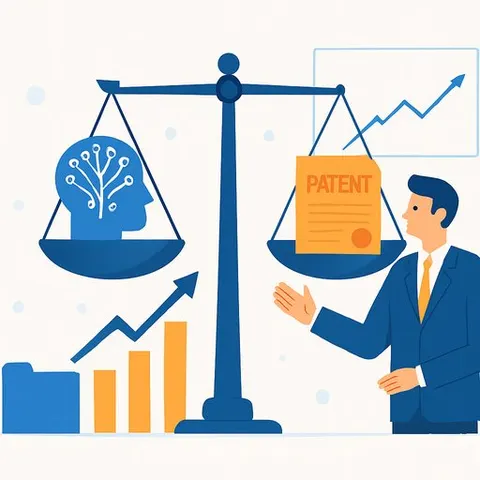
AI Patent Litigation Is Coming. Companies Need to Prepare Now
Patent litigation over artificial intelligence technology has barely started, but the filings suggest a wave is coming. The number of patents granted in machine learning and neural networks has exploded - from 426 in 2008 to more than 32,000 in 2025 - yet only 53 district court lawsuits asserting these patents were filed last year.
History offers a roadmap. Smartphone patent litigation followed a similar pattern: patents proliferated years before courtroom battles began in earnest. The same timing lag is likely unfolding for AI.
What the Early Cases Show
The handful of AI patent cases filed so far cover disparate technologies: vaping detection, bullying identification, vehicle interaction prediction, and echocardiographic analysis. Most have settled or been voluntarily dismissed. When defendants have challenged validity, they've often won.
Patent owners have fared better at the Patent Trial and Appeal Board, winning at least partially in most cases. This split suggests that Section 101 patent eligibility - whether the invention is patentable subject matter - poses the biggest legal hurdle for AI patents, not novelty or obviousness.
How In-House Counsel Should Prepare
Companies should start now with a thorough audit of their intellectual property protection. This means evaluating both trade secret coverage and patent portfolios for gaps.
On trade secrets: Ensure confidential algorithms, training data, and models are properly defined and protected. Courts have rejected trade secret claims when companies failed to identify what they were actually protecting. Verify that all employment agreements, vendor contracts, and joint development arrangements include adequate confidentiality provisions. Physical and digital security around trade secret materials must be in place.
On patents: Map the scope of your patent portfolio. How many patents do you own? What technologies are covered, and where are the gaps? Confirm that ownership and assignment records are complete and legally sufficient.
For patents covering key technology or high commercial value, review claim language for clarity and scope. Courts have rejected claims that simply apply generic machine-learning techniques in a particular setting without solving a fundamental technical problem.
Documentation and Day-to-Day Operations
Companies should audit how they document product development. Have teams recorded how they solved problems? Are iterations of alternative solutions tracked? If technology was developed jointly, where are materials stored and who has access?
Marketing and product descriptions should accurately reflect what the technology does and align with patent claims. Misalignment between marketing claims and patent scope can undermine litigation strategy.
Establish clear processes for employee departures that protect trade secrets and preserve potential witnesses for future litigation.
Patent litigation in AI hasn't yet accelerated, but the conditions are set. Companies that prepare their IP documentation and strategy now will be better positioned when cases arrive.
Learn more about AI for Legal professionals, or explore the AI Learning Path for Patent Agents to deepen your understanding of how AI intersects with intellectual property strategy.