No Federal Law Limits AI-Powered License Plate Surveillance in the U.S.
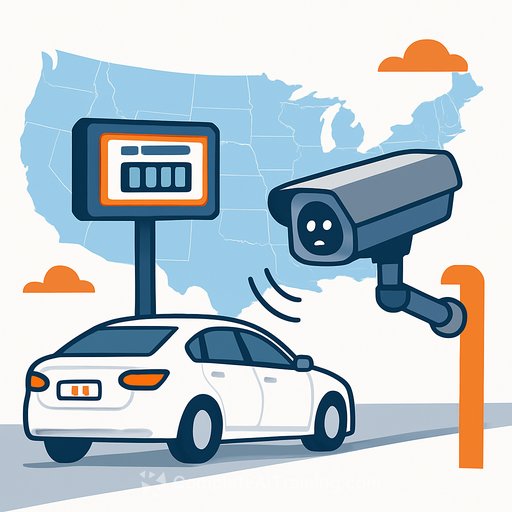
Thousands of American cities have deployed automatic license plate readers at intersections, bridges, and highway off-ramps. These camera systems capture vehicle data and timestamps, then feed the information into AI-powered databases that law enforcement can search instantly. The U.S. has no federal law comparable to Europe's General Data Protection Regulation that meaningfully restricts how this location data is collected, stored, shared, or sold.
The technology originated in 1970s London as a counterterrorism tool. U.S. Customs and Border Protection adopted it in 1998. By the 2000s, cities across the country began installing the systems, typically through contracts with private vendors who offer free trials and data access that bypass local oversight requirements.
How AI Amplifies the Reach
AI integration has expanded the surveillance infrastructure significantly. When a camera captures a license plate, AI analyzes the data and cross-references it against law enforcement databases like the National Crime Information Center. A match triggers an instant alert to police.
Flock Safety, one of the largest providers, uses infrared cameras and AI to identify vehicles and alert authorities in real time. Johnson City, Tennessee signed a 10-year, $8 million contract with Flock in 2025. Richmond, Virginia paid over $1 million between October 2024 and November 2025 and recently extended its agreement despite resident opposition.
Research on effectiveness is sparse. The few peer-reviewed studies available show little evidence these systems reduce violent crime rates, though they help solve some property crimes like car thefts. Installation and maintenance costs remain substantial.
Data Repurposing Beyond Original Intent
License plate data initially collected for traffic management or fugitive apprehension has been repurposed for immigration enforcement and protest surveillance. During the current administration's deportation efforts, automatic license plate reader databases were shared with federal immigration agencies to monitor immigrant communities. Customs and Border Protection gained access to over 80,000 Flock cameras.
After the Supreme Court overturned Roe v. Wade in 2022, civil liberties advocates warned that people traveling across state lines for abortion care could be identified through these databases. In 2025, Texas authorities accessed Flock surveillance data as part of an abortion investigation.
A shift in enforcement priorities or a new legal definition of criminal activity could repurpose these cameras again. Without legal safeguards, the data can be used to target political opposition, enable discriminatory policing, or suppress constitutionally protected activities.
State and Grassroots Responses
Some states are moving to regulate the technology. Washington state lawmakers are considering the Driver Privacy Act, which would prohibit agencies from using automatic license plate readers for immigration investigations or collecting data around health care facilities. The bill would also shield protests from surveillance.
Community organizations like DeFlock have launched grassroots resistance. The platform documents automatic license plate reader networks to help communities oppose their deployment, framing these systems as part of a broader government data collection infrastructure that requires stronger democratic oversight and community consent.
For legal professionals, understanding these systems matters. As AI for Legal applications expand, lawyers will increasingly advise clients on privacy rights, regulatory compliance, and the legal risks of AI-powered surveillance. AI for Government also covers how agencies are deploying these technologies and the policy frameworks needed to govern them.
Your membership also unlocks: