
AI news ·
AI pushes insurers to move from standard policies to personalised, data-driven cover
Insurers are moving from claims processing to personalised service, with nearly 80% already using AI to price policies and speed up claims. The shift has a bottleneck: only 12% can actually turn their data into useful insights.
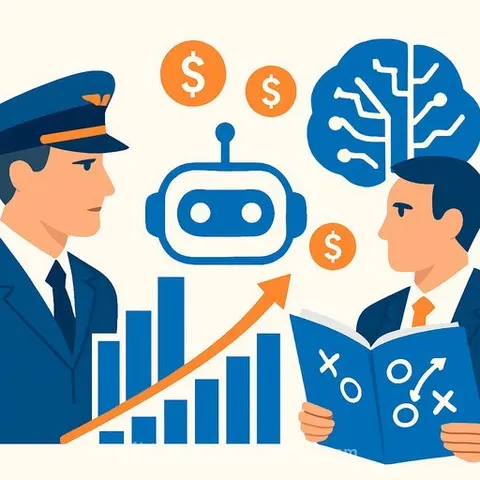
Insurance Companies Move Beyond Claims Processing to Personalised Service
Insurers are abandoning the traditional model of collecting premiums and processing claims. Today's customers expect insurance to work like e-commerce platforms: fast, intuitive, and tailored to their needs.
More than 70 per cent of customers now expect insurance interactions to match the convenience of online shopping. As Gen Z becomes a larger consumer segment, insurers face pressure to shift from transaction processing to building ongoing relationships.
Nearly 80 per cent of insurers are already using AI to refine pricing, streamline claims, and improve customer experience. The practical impact is measurable: claims that once took weeks now process in hours or minutes.
Data-Driven Product Design
Insurers are using data analysis and behavioural insights to design products around individual risk profiles rather than standardised policies. This shift is visible in Kenya's market, where firms like First Assurance are introducing tailored health covers that let clients select benefits based on actual need, and SME packages designed to lower entry barriers for small businesses.
Motor and travel insurance products are expanding to reflect more specific risk scenarios and customer lifestyles. "With numerous players in the market, insurance companies must differentiate themselves by providing customised solutions," said First Assurance Marketing Manager Jesca Karegua.
The Data Gap Problem
The transition faces a significant constraint. While 81 per cent of insurers have access to third-party or behavioural data, only 12 per cent have the advanced analytics capabilities to translate that data into actionable insights.
Legacy IT systems prevent real-time data integration. Data privacy concerns and questions about the transparency of AI-driven decisions are also shaping customer trust.
Despite these obstacles, the direction is clear. AI for insurance is shifting the industry from reactive claims processing to predictive, data-driven service. Value now comes from anticipating risk, adapting coverage, and delivering relevant experiences-not just paying claims when losses occur.