CHROs: AI isn't cutting early-career roles, but it's raising the bar
Chief human resources officers say AI is not eliminating entry-level positions. Instead, it's accelerating how quickly junior employees become productive and pushing them toward higher-value work earlier in their careers.
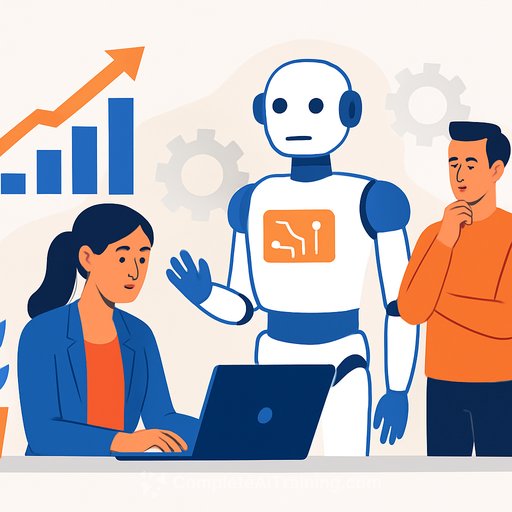
Research from SAP and Wakefield found that 88% of CHROs believe AI makes early-career talent become role-ready faster. The technology automates repetitive, low-stakes tasks traditionally assigned to new hires, freeing them to tackle more complex assignments sooner.
"AI isn't eliminating early-career talent from the workforce; it's reshaping the path they take to become effective and increasing the value of the work they contribute," the report said.
The learning problem
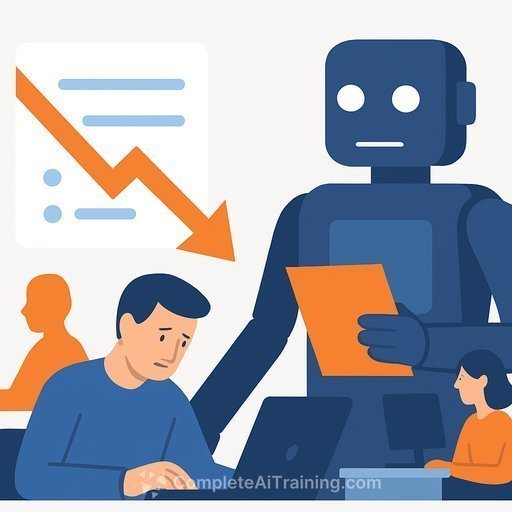
This acceleration creates a real risk. As AI removes mundane work, organizations may also eliminate the gradual, hands-on learning moments that help new employees build experience over time.
Early-career staff face higher expectations without the scaffolding that traditionally supported their development. They're expected to perform at a higher level faster, but they're losing the stepping stones that got them there.
What organizations need to do
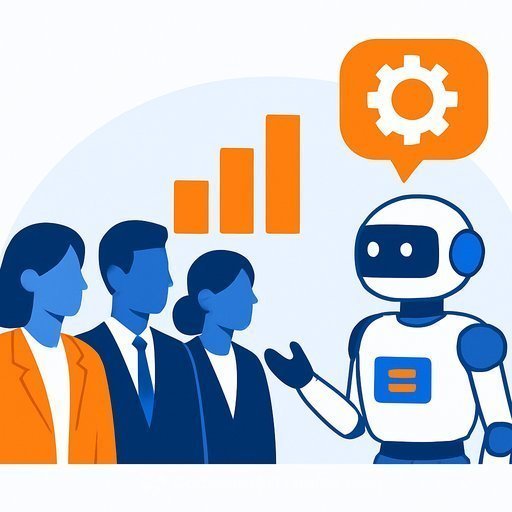
The answer is redesigning entry-level roles to preserve learning while leveraging AI's benefits. Organizations should create structured, project-based experiences that build communication, collaboration, critical thinking, and decision-making skills.
Clear ownership matters. New hires need explicit expectations, mentoring, and well-defined guidance on decisions and escalation. This approach lets them contribute strategically while building confidence.
Companies should also establish AI governance from day one to prevent shadow AI use, and provide consistent AI training and access. Without structure and coaching, accelerated productivity becomes a burnout risk.
"When early-career talent becomes productive sooner, companies can move faster, innovate earlier, and operate more efficiently, but only if that speed is matched with structure, coaching, and intentional development," the report said.
Organizations that manage this transition successfully will develop junior staff who don't just ramp up faster, but who also build judgment and critical-thinking skills that AI cannot replace.
Learn more about AI strategies for CHROs or explore AI for Human Resources resources.
Your membership also unlocks: