
AI news ·
AI reshapes pharma marketing through precision targeting and data-driven patient engagement
Indian pharma companies are ditching broad campaigns for AI-driven, targeted patient engagement. The shift covers demand generation, conversion tracking, and retention-with first-party data replacing third-party dependency.
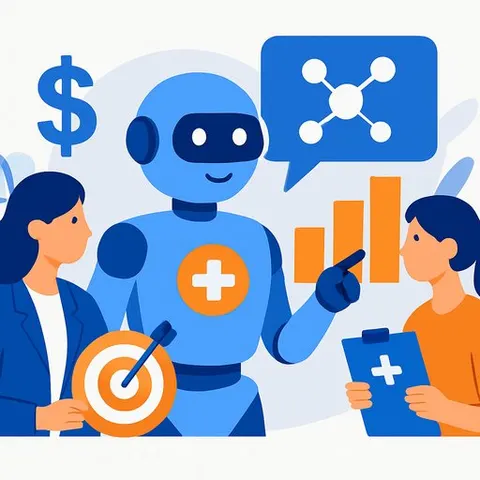
Pharma Marketing Shifts From Volume to Precision With AI
Indian pharmaceutical companies are moving away from broad messaging campaigns toward targeted, data-driven patient engagement. AI now powers demand generation, conversion optimization, and customer retention-forcing marketers to rethink how they identify, reach, and retain patients.
The shift reflects a structural change in how decisions get made. Patients research options, compare information, and expect relevant responses. Blanket communications no longer work.
Demand Generation Gets Smarter
Search engine marketing now targets high-intent keywords across the entire discovery funnel. AI optimizes paid channels, manages bids, and allocates budgets without manual intervention.
Audience building has moved beyond demographics. Systems now factor in user behavior and intent signals. Retargeting campaigns adjust messaging based on how users actually move through the funnel, rather than applying the same message to everyone.
Conversion Paths Become Measurable
AI continuously tests landing pages, audience segments, and conversion sequences. Funnel analytics track not just final purchases or consultations, but micro-conversions along the way-form submissions, video views, time spent on pages.
Chatbots handle routine questions instantly. This matters in healthcare, where patients have complex concerns and expect quick answers.
First-Party Data Reduces External Dependency
Pharmaceutical companies are investing in first-party data platforms. This reduces reliance on third-party data providers and gives marketers direct control over customer insights.
Marketing automation tools maintain consistent communication rhythms across email, SMS, and push notifications. Multi-touch attribution models show which touchpoints actually drive conversions, helping marketers allocate budgets more effectively.
Real-time reporting lets teams make decisions faster. Recommendation systems increase order value for wellness and chronic care products. Search optimization helps products stand out in crowded marketplaces.
Retention Now Matters as Much as Acquisition
Marketing scope has expanded beyond initial sales. Repeat purchases, subscriptions, and long-term engagement now drive growth.
Social listening tools track what patients discuss online, revealing concerns and emerging needs. Brands respond faster when they know what customers actually want.
Compliance Remains Non-Negotiable
Accuracy in targeting doesn't exempt pharma from regulatory requirements. AI-powered campaigns must comply with platform terms, data privacy regulations, and industry standards.
Transparency matters. Patients expect clear information about how their data gets used. Trust depends on it.
Companies embedding AI into marketing decisions-while maintaining strict compliance and data ethics-will outperform those treating AI as a tool separate from broader business strategy. Detection of intent, relevant response, and sustained engagement form the foundation. Discipline around first-party data, attribution, and experimentation determines whether that foundation holds.
For marketing professionals, this means learning to work with attribution models and real-time analytics. Understanding AI for Marketing and AI Data Analysis is now core to the job.