
AI news ·
AI reshapes teaching and learning as students and educators grapple with academic integrity
AI is changing how students learn, but schools now struggle to verify what a diploma actually proves. The line between a student's own work and AI-generated output has never been harder to draw.
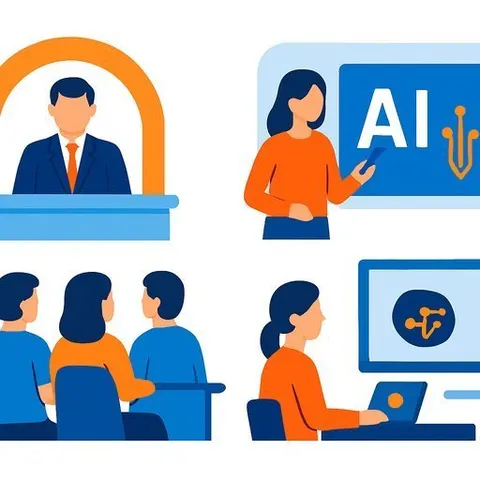
AI Is Reshaping How Students Learn-and Raising Questions About Credentials
Artificial intelligence is making education more accessible and efficient, but educators face a critical question: what does a diploma mean when AI helped earn it?
AI has improved how people search for information and access learning materials. Search engines work faster. Educational repositories contain more data. The pace of teaching and learning has accelerated beyond what was possible before.
The benefits are real. AI tutoring systems work around the clock. Students in remote areas can access quality instruction. Administrative tasks that once consumed hours now take minutes.
But the technology creates a legitimacy problem. Students can submit AI-written assignments. Exams can be completed with AI assistance. The line between learning and outsourcing has blurred.
Schools must decide whether to restrict AI use, integrate it into coursework, or something between. Each choice carries trade-offs. Banning AI ignores its usefulness. Allowing unrestricted use risks degrees that don't reflect individual competency.
For educators, the practical question is simpler: How do I use AI to teach better while ensuring students actually learn? AI Learning Path for Teachers offers frameworks for implementing these tools in classrooms.
The technology isn't going away. Schools that figure out how to use it responsibly will have an advantage. Those that ignore it will fall behind. The challenge is doing both at once.
Learn more about AI for Education and how it's being applied across institutions.