75% of Resumes Never Reach a Human: What HR Needs to Know
Applicant Tracking Systems now reject three-quarters of job applications before anyone reads them. This shift isn't coming - it's already here, and it's reshaping how HR departments hire.
The change accelerated after 1.17 million U.S. jobs were cut in 2025, the highest number since the pandemic. As companies rebuilt their workforces, they didn't restore the old hiring model. They built a new one around AI.
The Old Hiring Playbook No Longer Works
During the pandemic, tech companies hired aggressively to meet surging demand for digital services. Within two years, that hiring bubble burst. Companies laid off thousands and froze recruitment.
Instead of rebuilding what existed before, organizations are now restructuring teams and redesigning hiring workflows based on what AI can do. That distinction matters for HR professionals: corporate commitment to AI automation is already reshaping the skills they need to recruit for.
McKinsey reports a sevenfold increase in AI fluency requirements among job applicants over the past two years. This isn't optional upskilling - it's becoming a baseline expectation.
How AI Actually Screens Candidates
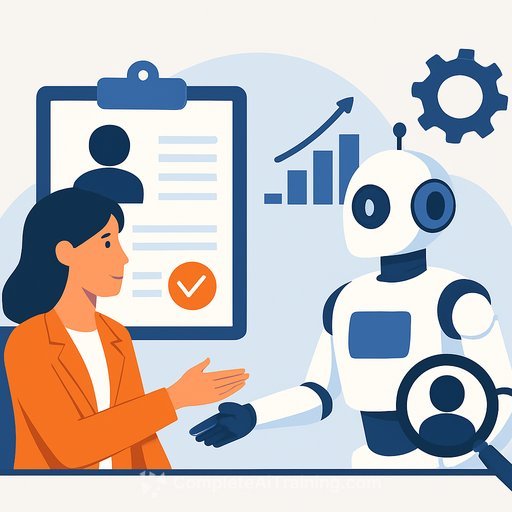
Automated tools now scan LinkedIn profiles, portfolios, and digital footprints to evaluate candidates before recruiters see a resume. This means certifications, AI literacy, and documented use cases need visibility across multiple platforms, not just in a cover letter.
The same systems that surface professional strengths also surface weaknesses. Negative social media posts, poor reviews on job-search platforms, and other digital traces get flagged for recruiter review. Visibility cuts both ways.
Some candidates are already ahead of this curve. Engineer Charlie Cheng created a digital twin that recruiters can interact with directly - an AI version of himself available 24/7 to answer questions about his background and skills.
What HR Should Expect by 2027
Most hiring processes are expected to include certifications or assessments measuring workplace AI proficiency by 2027. These won't just test whether someone can use ChatGPT. They'll evaluate critical thinking, creativity, communication, and subject-matter expertise.
Certification programs already exist that strengthen candidates' profiles: AWS Certified AI Practitioner and MIT's Professional Certificate Program in Machine Learning and Artificial Intelligence are two examples.
The reasoning behind this shift is straightforward: as workers offload writing, analysis, summarization, and ideation to AI, they risk eroding the cognitive skills that differentiate humans from machines. Memory, problem-solving endurance, and creative synthesis fade when people stop exercising them.
The Rise of AI Career Copilots
The next wave involves hyper-personalized AI career assistants that track skills, recommend learning paths, flag market opportunities, and guide major decisions. These tools will help with salary negotiations by building data-based scenarios and identifying realistic expectations.
Career management is shifting from reactive guesswork to continuous, AI-guided strategy. For HR, this means candidates will arrive better prepared and more informed about their market value.
What HR Professionals Need to Do Now
Organizations focused on AI integration often miss how workers themselves change as they use these tools daily. There's limited effort to understand the cognitive trade-offs. Yearly professional AI upskilling should become part of corporate education - not optional training, but core development.
HR teams that balance automation with human judgment, efficiency with authenticity, and speed with depth will remain competitive. Those who don't will struggle to attract talent or understand what candidates actually bring to the table.
The construction site of today's labor market is chaotic, but the direction is visible. Learn more about AI for Human Resources or explore the AI Learning Path for CHROs to stay ahead of these shifts.
Your membership also unlocks: