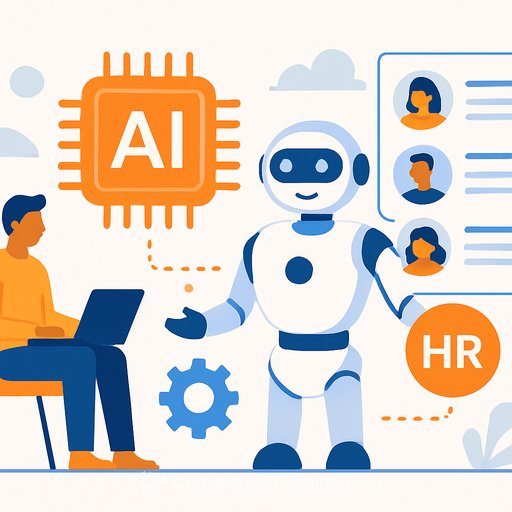
Unlock HR Efficiency with AI Tech Stack: Design, Simplify and Automate
The HR function is central to organisational strategy, responsible for shaping culture, driving engagement, and supporting growth. Moving from manual processes to AI-powered systems offers clear benefits but comes with challenges and risks. A recent webcast by People Matters and HRStop brought together HR leaders to discuss how AI can transform HR while preserving the human element that defines great workplaces.
AI as a Strategic Lever, Not Just an Efficiency Tool
HR is evolving from an operational role to a strategic business partner. HRStop’s Co-Founder & COO, Rashmi Agarwal, described HR as the organisation’s backbone, connecting all parts to keep things running smoothly. AI tools strengthen this backbone by moving HR beyond routine tasks into predictive insights and proactive talent management.
Carolyn Mitchell, Group HR – Talent and Development Director at Solutions Leisure Group, shared that a decade ago her team was overwhelmed by spreadsheets and manual work. Today, integrated systems handle payroll in minutes. Her vision is an AI-driven HR ecosystem where the perfect candidate appears automatically and talent gaps are flagged instantly when someone leaves. This anticipatory approach positions HR as a driver of business strategy rather than a reactive support function.
Building AI Workflows with Empathy and Clarity
Technology alone doesn’t improve employee experience. Rashmi emphasized three principles for adopting AI in HR:
- Start with empathy. HR processes involve personal moments like onboarding and reviews. AI should support these, not diminish their impact.
- Prioritise clarity over complexity. Overly complex systems risk low adoption. Simplicity and usability are critical.
- Keep the human lens open. Sensitive decisions like promotions or grievances require human judgment.
HRStop’s platform focuses on intuitive design, making advanced AI accessible to HR teams and employees alike. Carolyn added that AI should support a company culture, not create it. Empathy comes from leadership and culture; AI is a tool to enable, not replace, that.
Overcoming Legacy Challenges: Start Small, Think Big
Many organisations struggle to integrate AI with fragmented HR systems. Rashmi advised starting with processes, not technology. Without clear goals, even the best tools fall short. She likened it to owning a high-end navigation system but having no destination in mind.
Clean, reliable data is critical. Poor data quality causes billions in losses annually and undermines AI effectiveness. HRStop addresses this with data health checkups and structured onboarding to ensure clients have a trusted source of truth.
Carolyn stressed balancing rapid adoption with realistic expectations. Phased integration beginning with low-risk, high-impact areas builds trust and sets the stage for broader transformation.
Budget Realities: Scaling AI Without Breaking the Bank
HR leaders often worry about AI costs. Carolyn advised focusing on key pain points and working with vendors who can tailor solutions to immediate needs. Avoid paying for unused features.
Rashmi added that starting small is strategic. Early automation wins build confidence and justify further investment. HRStop supports modular solutions that grow with organisational needs and budgets.
Balancing Speed with Empathy
AI speeds up routine tasks, but empathy and human connection remain essential. Rashmi highlighted the need for systems that handle exceptions and unique situations flexibly. AI tools should gather employee feedback to help HR adjust practices.
Carolyn reminded leaders that empathy can’t be outsourced to algorithms. Data informs decisions but human wisdom and culture stewardship are irreplaceable. “Data is great, but it’s what you learn from it and how you empower your people that makes the difference.”
The Mindset Shift: HR as Change Leaders
HR professionals must redefine their role from administrators to strategic partners shaping business futures. Rashmi encouraged curiosity and continuous learning, emphasizing it’s okay not to know everything but essential to be willing to learn and experiment.
Carolyn agreed, noting HR leaders don’t have to become AI experts but should seek partners and resources to help them adapt. For those interested, Complete AI Training offers courses tailored for HR professionals navigating AI adoption.
Turning Data into Actionable Insights
AI’s real value is converting data into clear, actionable insights. It can predict employee burnout, identify cultural fits in recruitment, and flag risks before they escalate. This shifts HR from reactive problem-solving to proactive strategy.
HRStop’s AI capabilities help organisations translate complex data into decisions that drive smarter outcomes. Carolyn described AI as an extra pair of eyes, scanning the past and future to help HR plan effectively.
Embrace AI as an Ally
Both speakers concluded with a positive outlook: AI is a tool that helps HR professionals work faster, smarter, and stay human. Rashmi reminded that AI assists but does not replace HR leaders, freeing time for strategic thinking and connection.
Carolyn summed it up: “Use it as the tool to help your business be even better than it already is.” The future of HR belongs to those who balance technology with empathy, insight, and leadership.
Your membership also unlocks: