
AI news ·
AI telematics moves beyond GPS to reshape private fleet management and insurance underwriting
AI telematics now tracks real-time braking, acceleration, and cornering to build driver risk profiles insurers can use for precise pricing. That shifts underwriting from historical claims data to live behavior.
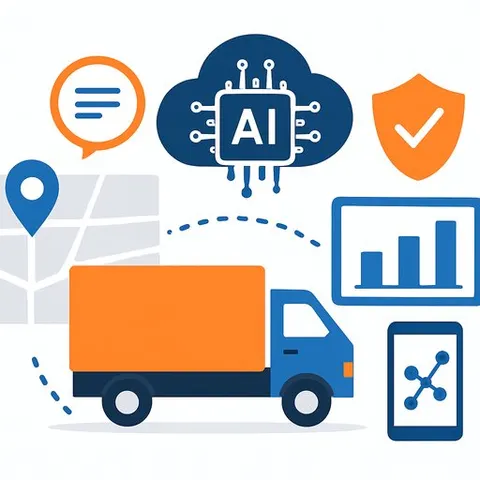
AI Telematics Moves Into Underwriting and Fleet Risk Assessment
AI-powered telematics systems are shifting how insurers assess risk and how fleet managers operate vehicles. Rather than relying on basic GPS data, these systems now analyze real-time driving behavior-acceleration, braking, cornering, and speed-to create detailed driver and vehicle profiles.
For insurers, the shift matters. Behavioral telematics generate higher-resolution risk signals than traditional odometer readings or historical claims. That finer-grained data enables more precise pricing, targeted loss prevention, and better underwriting decisions.
What the Systems Do
Modern telematics platforms deliver five core functions. Predictive maintenance flags wear patterns before failures occur. Behavioral monitoring tracks driving habits and flags risky events. Route optimization cuts fuel costs and reduces exposure time. Enhanced security includes geofencing and theft alerts. Accident reconstruction uses sensor data to clarify what happened in a collision.
Fleet managers see concrete results: earlier service alerts reduce downtime, and fuel-efficiency gains cut operating costs. For high-value private fleets-executive transports, luxury vehicle collections-these capabilities also improve asset recovery odds.
How Insurers Use the Data
Continuous behavioral profiles let insurers move beyond static risk categories. Instead of charging the same rate to all drivers in an age or vehicle class, underwriters can price based on actual driving patterns. A driver with consistent smooth acceleration and low cornering speeds presents lower risk than one with erratic behavior, and the data proves it.
Loss prevention becomes proactive. Insurers can flag high-risk drivers for coaching, recommend route changes, or adjust coverage terms. Claims investigation also improves-telematics data clarifies liability in disputed accidents.
What's Ahead
Watch for insurer underwriting pilots that embed telematics into pricing models. Standardized driver-scoring frameworks will likely emerge as more carriers adopt the technology. Privacy rules around personal drivers will shape how data can be used and retained.
Partnerships between telematics vendors and luxury fleet managers will accelerate adoption in high-value segments. Regulatory changes to data-retention or consent requirements could reshape deployment models and limit how insurers apply behavioral signals.
For insurance professionals, this represents a shift from historical underwriting to behavior-based risk assessment. The data exists. How your organization uses it will determine competitive position.
AI for Insurance and AI for Operations resources cover related applications in underwriting, risk modeling, and operational efficiency.