AI Is Dismantling the Sales Playbook in B2B Procurement
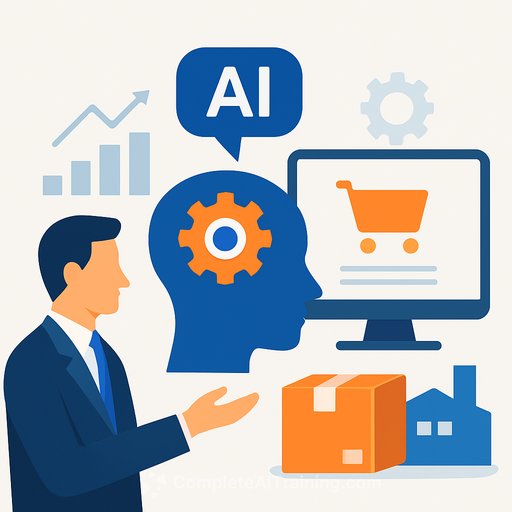
Procurement teams are making purchasing decisions before sales ever enters the conversation. AI tools that conduct market research, compare vendors and evaluate pricing in hours have eliminated the information advantage that sales teams once relied on to control the buying process.
The shift is structural. Seventy-five percent of companies are now considering AI in procurement, according to PYMNTS Intelligence data. Vendor calls and formal requests for proposals are happening later in deals-if they happen at all.
How Zero-Touch Buying Works
Procurement teams equipped with AI can independently scan markets, simulate negotiation scenarios and benchmark pricing without vendor involvement. What once required weeks of back-and-forth now takes hours.
The conditions that made sales checkpoints essential-limited information, opaque pricing, high uncertainty-have eroded. Access to buyers is no longer determined by relationships. It's determined by data compatibility and system integration.
Vendors that provide clear pricing models, standardized specifications and interoperable data formats get included in automated evaluations. Those that don't become harder to reach.
"The friction points tend to be in the operational environment," said Rene Stynen, senior vice president, EMEA, B2B Payments at Boost Payment Solutions. "Supplier enablement, onboarding complexity and the amount of data gathering required."
Information Asymmetry Is Gone
Sales traditionally held an edge: sellers knew more about products, pricing and market alternatives than buyers. That asymmetry justified extensive vendor engagement and gave sales a way to guide decisions.
AI has eliminated it. Procurement teams now access aggregated market intelligence, real-time pricing benchmarks, peer reviews and predictive analytics without asking vendors for anything.
Vendors are no longer primary sources of insight. They are data points in a system that already contains the information buyers need.
By the time procurement is involved in a deal, its role is often limited to validation: checking compliance, finalizing contracts and processing payment. The purchasing decision has already been made.
What Changes for Sales
As routine decisions become automated, sales may shift toward exceptions-complex deployments, cross-functional alignment and custom solutions that can't be standardized. The work moves from selling to enabling.
AI in procurement is still early. But the direction is clear: the map that sales used to navigate organizations is out of date.
Understanding this shift is essential for sales professionals. Learn more about AI for Sales and how to adapt to buyer-driven decision-making, or explore the AI Learning Path for Procurement Specialists to understand how the other side operates.
Your membership also unlocks: