AI Tools Are Changing How Online Classes Work
Artificial intelligence is shifting online education by giving teachers better ways to track student progress, customize lessons, and keep classrooms engaging. ChatGPT, Kahoot, Mentimeter, and facial recognition systems are the tools driving these changes in virtual classrooms.
Personalized Feedback Cuts Learning Time
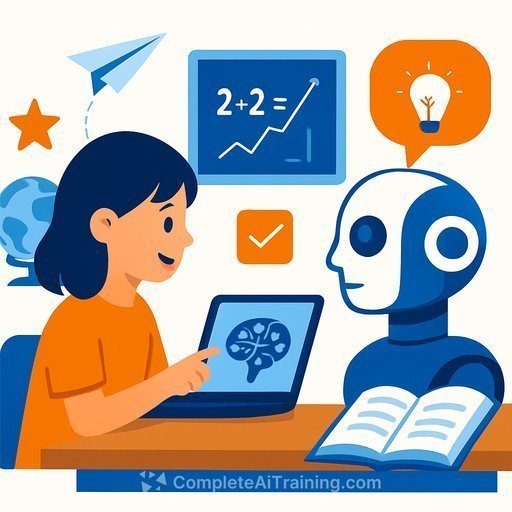
ChatGPT and similar tools now generate custom study guides and quizzes based on how each student performs. Students get instant feedback instead of waiting days for graded work.
This approach helps students understand difficult material faster and improves how well they retain information in online settings.
Real-Time Monitoring Lets Teachers Adjust on the Fly
Facial recognition and voice analysis systems track student engagement during live classes. When a student's expression or tone suggests they're losing focus, the system alerts the teacher.
Teachers can then change their approach immediately-shifting to a different explanation, breaking content into smaller pieces, or switching activities. This responsiveness increases participation rates.
Gamification Makes Learning Stick
Platforms like Kahoot and Mentimeter turn quizzes into competitive games with live polls and leaderboards. Students stay more engaged when learning feels like play rather than work.
These tools work in both live and recorded lessons, keeping students motivated across different course formats.
Adaptive Systems Match Student Skill Levels
Intelligent tutoring systems adjust task difficulty based on real-time performance. A student who answers correctly gets harder problems; one who struggles gets more support.
This reduces the lag between making a mistake and correcting it. Collaborative platforms like Miro add virtual whiteboards where students create together, building both technical skills and engagement.
Teachers Benefit Too
AI tools aren't just for students. More than 70% of educators using platforms like Inkwire report better results each week when they implement these technologies strategically.
Teachers can customize content for individual needs without spending extra hours on manual adjustments. Data privacy concerns exist, but the ability to tailor instruction to each student improves both engagement and learning outcomes.
Learn more about AI for Education and how these tools fit into classroom strategy.
Your membership also unlocks: