Helping Asian Wealth Management Communities Interact
Tomoko Nasuho on AI’s Expanding Role in Wealth Management: From Risk Engines to Relationship Transformation
Financial institutions across Asia are accelerating efforts to digitise, automate, and personalise their services. Artificial intelligence (AI) has moved beyond hype, becoming an essential tool in wealth management where trust, timing, and personalised insights are critical. AI now plays a key role in advisory, compliance, and operational efficiency.
At a recent Wealth Management Forum in Jakarta, Tomoko Nasuho, Account Director for Asia Pacific at Evooq, shared practical insights into how AI is being applied today. She discussed challenges banks face with legacy systems and highlighted the growing importance of AI-powered training for relationship managers (RMs).
From Risk Engines to Holistic Advisory
Evooq began with advanced risk engines developed under its Edgelab brand, focusing on risk analytics and quantitative research. Today, the company’s offerings cover the entire advisory process—from translating Chief Investment Officer (CIO) strategies into actionable plans to automatically generating personalised investment proposals.
The platform supports both client-facing advisory and internal analytics, enabling banks to replace static processes with dynamic, data-driven interactions.
AI as a Ubiquitous Backbone
AI is no longer a separate feature but embedded in everyday wealth management workflows. Its flexibility allows it to serve multiple functions, including:
- Product development – creating offerings aligned with client preferences
- Compliance – easing monitoring, reporting, and documentation tasks
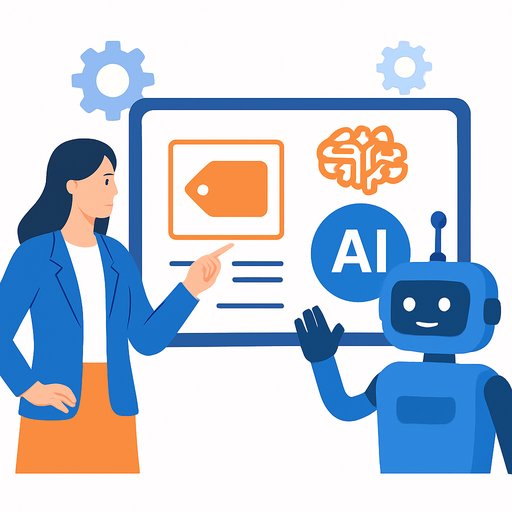
- Training – using AI-driven bots to simulate client conversations for RM skill development
This training application is especially impactful in Asia, where banks are helping RMs shift from transactional approaches to more consultative client interactions through realistic practice scenarios.
Shifting the Advisory Model
In markets like Indonesia, many RMs have long relied on product-push strategies. Changing this mindset requires structured, contextual training where RMs can rehearse new behaviours and receive immediate feedback.
AI supports this transition by helping banks focus on service quality instead of product volume. Clients today expect relevant advice that resonates with their unique needs, and AI helps translate complex investment ideas into clear, personalised recommendations.
Legacy Challenges and Data Fragmentation
One major obstacle to AI adoption is fragmented legacy data. Many banks have siloed systems that don’t communicate, making it hard to build unified client profiles.
Some institutions have overcome this by integrating data from various sources—credit cards, transaction patterns, salary inflows, and purchase timings. With this holistic view, AI can predict the optimal moment to engage clients and suggest the most suitable products.
This approach shifts banks away from broad marketing campaigns toward targeted, timely client interactions. RMs get equipped with context-aware scripts and next-best actions, improving both efficiency and client experience.
Balancing Automation with Empathy
Despite AI’s strengths in pattern recognition and automation, human connection remains essential. AI can recommend what to say and when to act, but empathy, judgment, and trust come from the RM.
Think of AI as a co-pilot providing data-driven guidance while the RM delivers emotional intelligence and nuanced client engagement.
Guardrails and Governance
AI’s rapid rollout brings new risks, especially around data integrity. Poor-quality data leads to flawed AI outcomes.
Banks must prioritise data governance and cleansing to ensure AI delivers reliable insights. Partnering with providers who understand both the technology and data lifecycle can prevent scaling mistakes.
The Road Ahead: Information Literacy and Vigilance
As AI evolves, so does the challenge of distinguishing fact from fiction in an age of abundant information. Tomoko highlighted the need for strong information literacy alongside technical skills to critically assess AI outputs and avoid being misled by fabricated content.
Conclusion
AI is reshaping wealth management across Asia—from risk analytics behind the scenes to transforming frontline advisory services. The focus is shifting from whether to adopt AI to how to implement it responsibly and effectively.
For management and product development professionals, the key takeaway is clear: success lies in balancing AI’s capabilities with human expertise, improving client engagement while maintaining trust and empathy.
Your membership also unlocks: