Is AI Making Us All Liars? How To Maintain Truth In An Era Of Efficiency
Speed and accuracy have always been at odds. AI amplifies this tension, especially in PR and corporate communications. While AI brings undeniable productivity gains, it also raises serious concerns about truth and ethics that cannot be ignored.
Recent data shows AI adoption in PR has nearly tripled since 2023, yet only 38% of PR professionals say their companies have guidelines for AI use. That gap is alarming given the risks of unregulated AI: misinformation, privacy breaches, and ethical dilemmas.
When Efficiency Outruns Accuracy
AI tools can draft outlines in seconds, analyze interviews swiftly, and personalize campaigns at scale. But AI doesn’t verify facts. It generates content based on patterns, not truth. This creates a risk of misinformation slipping into official communications, which can damage credibility.
Beyond accuracy, prompting AI with sensitive company or personal information raises privacy flags. The trade-off for speed can be costly if accuracy and confidentiality are compromised.
The Ethical Challenges of AI in Communications
There are several pressing ethical questions:
- Should audiences know when AI contributed to content creation?
- What responsibility do PR pros bear for AI-generated material?
- How can we avoid AI reinforcing harmful biases or stereotypes?
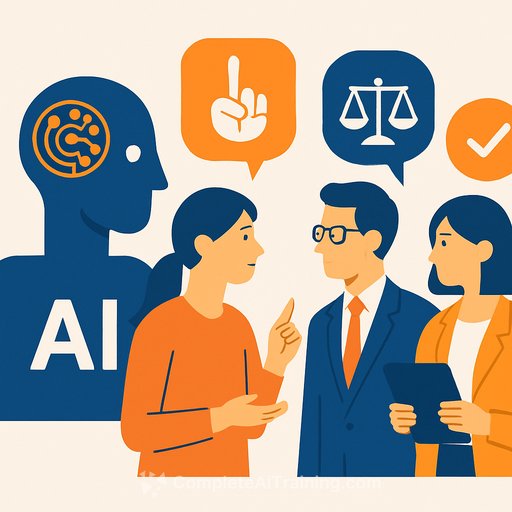
Industry bodies like the Public Relations Society of America (PRSA) recommend transparency around AI use. Some companies are already building internal AI platforms with ethical guardrails to balance innovation with accountability.
Building Effective AI Governance
Without clear policies, AI can complicate workflows instead of simplifying them. Practical governance includes:
- Defining clear boundaries: which content needs 100% human input and where AI can assist.
- Setting up fact-checking protocols to verify AI-generated data and references.
- Establishing transparency rules for disclosing AI involvement.
- Using multiple AI tools to cross-check outputs and reduce errors.
- Providing regular team training to build AI literacy, which helps address bias and privacy issues.
The Core Issue: Responsible AI Use
Is AI making us liars? Not exactly. The real problem is a lack of clear, consistent policies around AI disclosure and management. Companies must decide how to use AI responsibly rather than debating whether to use it at all. Handling this well protects truth and trust in communications.
For PR professionals looking to improve AI skills and ethical understanding, exploring targeted AI training can be a valuable step. Resources like Complete AI Training's courses for communications professionals offer practical guidance on staying effective and ethical in an AI-driven environment.
Your membership also unlocks: