The AI Upskilling Guide for Executives
Key Takeaways
- The current state of AI adoption in the corporate sector
- Roles and responsibilities of leadership:
- The board
- CEO
- The executive team
- Technical executives
- Non-technical executives
- Human resource leaders
- Key phases of the AI adoption process:
- Educate yourself as a leader
- Define clear objectives for AI
- Engage employees for feedback and buy-in
- Identify and close skill gaps
- Traits of effective AI upskilling programs:
- Prioritized by the CEO
- Based on credible data
- Targeted to use cases and employee needs
- Red and green flags of internal AI initiatives
- AI transformation as organizational change
Introduction
Becoming an AI-enabled company is more about managing change than just technology. CEOs, boards, and leaders must focus on earning employee trust and driving real productivity gains with AI.
Historically, technology often arrives before organizations are ready. For example, typewriters and fax machines took decades to become widespread after invention. Spreadsheets revolutionized office work years after their debut. The same pattern appears with AI today.
While 90% of executives believe AI can boost revenue and 77% feel pressure to adopt it quickly to stay competitive, only 1% say AI is fully integrated and delivering strong business outcomes.
The State of AI Adoption in the Corporate Sector
AI use varies by industry, role, and demographics, but adoption is clearly increasing. Over 75% of organizations and 88% of tech companies used AI in at least one business function in early 2024, up from 55% in 2023.
Most companies deploy AI in employee systems for everyday tasks, while 35% have integrated generative AI in both employee and customer systems. Innovation-driven AI use is still limited but should be a leadership priority.
For instance, healthcare AI experimentation is high but mostly in proof-of-concept stages. Employee access to AI tools tends to lag behind company implementation rates. One survey found only 40% of employees at AI-adopting companies had AI tools available, yet 60% of those used them daily.
Interestingly, 78% of knowledge workers using AI at work rely on tools not provided by their employers. This gap suggests many leaders underestimate employee familiarity with AI.
Roles and Responsibilities of Leaders in Encouraging AI Use
AI adoption is a significant effort that goes beyond the CTO or data team. Even limited initial AI use requires board-level attention. Every leader must contribute to strategy, execution, and risk management.
The Board
The board must oversee AI investments to ensure alignment with company strategy, balance risks, and maintain governance for responsible AI use and ongoing monitoring.
CEOs
AI adoption is more than technology—it’s a cultural shift. CEOs must define the vision and lead this change. Handing AI off solely to technical leaders misses the leadership element crucial for success.
The Executive Team
Executives ensure AI investments serve the business, customers, and employees. They set AI goals, develop responsible use guidelines, vet solutions, and promote learning and feedback opportunities.
Technical Executives
Technical leaders work with the CEO and board on governance and oversee AI implementation. They vet use cases, assess feasibility, and manage cybersecurity risks.
Non-Technical Executives
Non-technical leaders need to understand AI’s benefits, limits, and ethics within their areas. They identify where AI can improve outcomes, advocate for initiatives, address team concerns, and bridge feedback between users and technical teams.
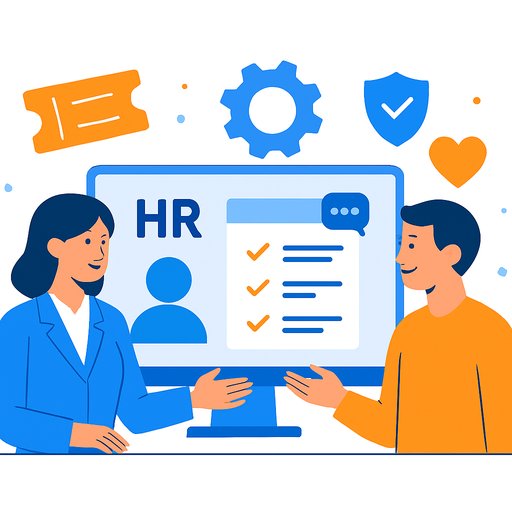
Human Resource Leaders
HR leaders handle upskilling and reskilling efforts. They also ensure AI use in recruitment and people operations complies with policies and avoids bias, protecting employees and candidates.
Key Phases of the AI Adoption Process
Executives face new challenges as AI capabilities evolve daily. Many feel unprepared to make informed AI decisions or speak confidently about it.
Phase 1: Educate Yourself as a Leader
Not every leader must be an AI expert, but those involved in AI initiatives need a basic grasp of AI’s current and future capabilities, applications, risks, and benefits.
Phase 2: Define Clear Objectives for AI
Adopting AI just for the sake of it is costly and ineffective. Leaders should focus on specific, meaningful goals rather than applying AI everywhere it’s possible.
Phase 3: Engage Employees for Feedback and Buy-In
Experienced employees know workflows better than leadership. Their insights on tools, processes, and collaboration are key. Engaging them builds trust and identifies practical AI opportunities.
Phase 4: Identify and Close Employee Skill Gaps
Many workers lack the skills to use AI effectively. Well-designed upskilling and reskilling programs are critical to prepare your workforce for working alongside AI.
Traits of Effective AI Upskilling Programs
- Prioritized by the CEO: Executive support ensures resources and attention for upskilling.
- Based on Credible Data: Accurate skills and needs assessments guide effective program design.
- Targeted to Use Cases and Employee Needs: Tailored training addresses specific roles and practical AI applications.
Red and Green Flags of Internal AI Initiatives
Red Flags
- Employees remain silent when leaders seek AI feedback.
- Training programs have low enrollment or high dropout rates.
- Employees complete training but do not apply AI tools in their work.
Green Flags
- Employees openly share their AI experiences, both positive and negative.
- High training attendance or honest feedback about training quality.
- Concerns and feedback on AI risks or job impacts are voiced openly.
Conclusion
Becoming an AI-enabled organization is a process of change management as much as technology adoption. Success requires capable leadership, transparent communication, focused upskilling, and a culture that encourages experimentation and honest feedback.
When leaders invest in employee skills, trust, and engagement, AI becomes more than a tool for efficiency—it drives innovation and sustainable growth.
Your membership also unlocks: