Wage erosion, not job losses, poses bigger AI threat to workers, ILO economist warns
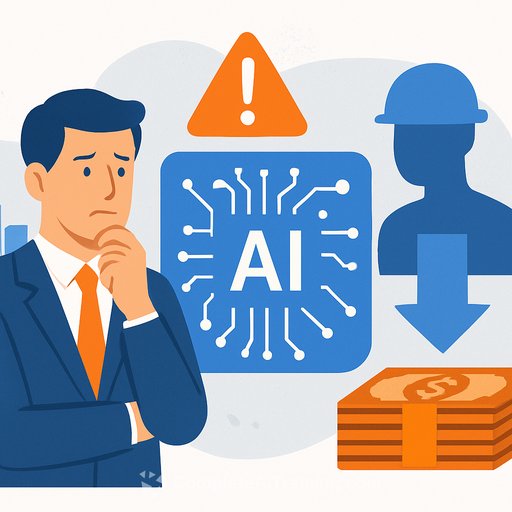
The real danger from artificial intelligence lies not in mass unemployment but in "algorithmic collusion" that quietly erodes wages and workplace safety, according to Ekkehard Ernst, chief macroeconomist at the International Labour Organization. Ernst made the comments at a conference in Beijing on Tuesday.
Public concern about AI typically centers on job displacement. Ernst said that fear is overblown. "I don't think that we are anywhere close to major disruption of labour markets," he said.
An Anthropic study released this month reveals why. While AI can theoretically perform many high-paying tasks, actual deployment lags far behind. Regulatory requirements, system integration challenges, and the need for human oversight all slow adoption.
AI is affecting specific sectors-software engineering in particular-and entry-level roles. But broader anxiety about its impact on youth employment misses the mark, Ernst said.
Youth joblessness in China stands at 16.1 percent for those aged 16 to 24 and 7.2 percent for those aged 25 to 29. Some European countries report youth unemployment above 20 percent. These figures are not exceptional by global standards.
Young people's struggles stem primarily from the current economic slowdown rather than AI specifically, Ernst said.
For HR professionals, the takeaway differs from headlines about automation. The concern should shift from recruitment disruption to wage compression and working conditions. AI for Human Resources training can help HR leaders understand how algorithmic systems affect compensation and labor practices. CHROs should also consider specialized AI learning paths that address workforce analytics and the strategic implications of algorithmic decision-making on talent management.
Your membership also unlocks: