
AI news ·
Ambient AI offers educational benefits but raises student privacy concerns
Ambient AI uses classroom sensors to track students, raising privacy concerns across 13,000 U.S. school districts. Teachers must demand strict data contracts.
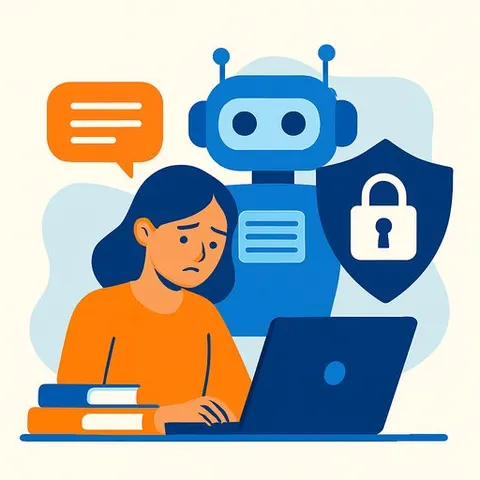
A new category of classroom technology called ambient AI is entering U.S. schools, operating silently in the background to analyze student behavior and classroom dynamics. Unlike traditional AI that requires active prompts, these systems use data from cameras, microphones, and learning platforms to offer real-time insights on engagement and comprehension. The technology promises to help teachers personalize instruction and reduce administrative workloads, but its data collection methods are colliding with deep-rooted concerns about student privacy and parental rights.
How ambient AI works in the classroom
Ambient AI tools can identify when a student is struggling, track participation patterns, and give teachers immediate feedback without disrupting a lesson. Proponents say this could lead to more responsive teaching and better academic outcomes. However, the same sensors that make these insights possible also capture sensitive information about children, raising questions about who sees the data, how long it's kept, and whether vendors can use it to refine their products.
Privacy and data governance hurdles
The use of cameras and microphones in classrooms is subject to a patchwork of federal and state laws, including FERPA, but ambient AI complicates enforcement because data is often processed in real time and may not be stored in traditional student records. Privacy advocates warn that systems designed to infer attention, emotion, or engagement can produce inaccurate results, especially for students from marginalized backgrounds, potentially leading to unfair disciplinary or academic consequences.
Why the U.S. faces unique implementation challenges
In countries with centralized education ministries, national standards for classroom AI can be set quickly. The United States, with its 13,000 school districts and strong local control, moves more cautiously. Individual states and communities must weigh the benefits of ambient AI against their own privacy expectations and transparency requirements. That fragmented approach can delay adoption but also creates opportunities for more tailored policies that reflect community values.
As districts consider these tools, teacher training and public engagement become essential. Educators who want to understand how to integrate AI into their instruction can explore an AI Learning Path for Teachers. For broader professional development, AI for Education Courses & Certifications cover the skills needed to evaluate and deploy classroom AI responsibly.
Why this matters for educators
Teachers and school leaders should not wait for a district-wide policy to land on their desks. Ambient AI tools are already being piloted, and educators have a stake in influencing how they are used. The most effective approach is to demand clear answers from vendors about data collection, retention, and bias testing, and to push for contracts that prohibit the use of student data for product improvement. Getting involved early can help ensure these tools support instruction without eroding the trust of students and families.