Anglo-Eastern, Orca AI Partner to Bring AI-Assisted Navigation to 750 Vessels
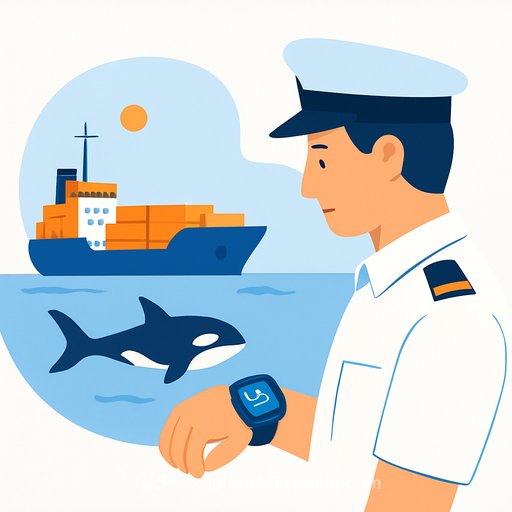
Anglo-Eastern Ship Management has entered into a strategic partnership with Orca AI to roll out AI-assisted situational awareness across its managed fleet of more than 750 vessels. It's the first time a major ship manager has formally backed fleetwide adoption of this category of technology, signaling growing demand from owners and operators served by multi-client managers.
Under the agreement, Anglo-Eastern will add Orca AI's platform to its customer offering to strengthen safety and operational performance. The move is consistent with its push on innovation and crew development, while giving shore teams clearer line of sight into risk, efficiency, and compliance.
What's Being Deployed
The Orca AI platform centers on two components with direct impact on day-to-day operations:
- SeaPod (digital watchkeeper): On-bridge situational awareness that supports decision-making in congested waters and low-visibility conditions, with alerts and recommendations in critical scenarios.
- FleetView (shore monitoring): A shoreside tool that aggregates fleet data and events to provide actionable insights for office teams and support standardization across vessels.
"Safety is paramount, and the Orca AI platform provides an extra layer of support when it matters most," said Torbjorn Dimblad, CIO of Anglo-Eastern. "By reducing workload and providing alerts and recommendations in critical navigation scenarios, we're actively driving safety and operational efficiency."
Why This Matters for Management and Operations
- Risk reduction: Early alerts on close-quarters situations help cut near misses and bridge team overload.
- Standardization: Consistent event detection and review across a diverse, multi-client fleet.
- Shore-side visibility: Clear incident timelines and trends for faster decisions and targeted interventions.
- Efficiency gains: Better routing and speed discipline that can lower fuel burn and emissions.
- Crew development: Real examples and feedback loops for watchkeeping, mentoring, and competency checks.
How to Prepare Your Fleet and Offices
- Integration plan: Map interfaces with ECDIS, radar, AIS, cameras, and bridge alert management. Define fail-safes and escalation paths.
- Human-in-the-loop: Keep the master and OOW firmly in charge. AI is advisory; bridge procedures and COLREG compliance remain the anchor.
- Data policy: Set clear rules on video/sensor retention, access, and sharing with owners, insurers, and investigators.
- Pilot first: Start with high-traffic routes or weather-prone trades. Validate alert quality, false positives, and crew workload impact.
- KPIs to track: Near-miss rate, CPA violations, TSS deviations, bridge alarm acknowledgments, fuel per nm, and average speed variance.
- SMS updates: Embed usage guidelines, alert handling, and post-incident review in the safety management system.
- Training: Short, scenario-based drills covering alert interpretation, leadership on the bridge, and handovers.
Compliance and Watchkeeping
AI assistance must align with existing rules and watchkeeping standards. Keep procedures grounded in COLREG and STCW, and use analytics to reinforce-not replace-bridge discipline.
What Success Looks Like in Year One
- Incident metrics: Fewer near misses and hazardous encounters, validated through VDR and post-voyage review.
- Operational quality: More consistent compliance with bridge procedures, tighter conning discipline, and cleaner handovers.
- Energy performance: Documented fuel and emission reductions tied to speed management and route choices.
- Adoption: High usage rates by watchkeepers, with positive feedback on alert clarity and relevance.
For Leaders Building Capability
This deal extends Orca AI's reach beyond shipowners to a major manager with a large, mixed fleet-an indicator of where operational tech is heading. If you're planning a rollout, align IT, HSQE, crewing, and fleet teams early and give masters a clear say in alert thresholds and procedures.
If you're upskilling superintendents and bridge teams on AI-enabled operations, explore practical, role-based learning paths here: AI courses by job.
Bottom Line
Anglo-Eastern's partnership with Orca AI brings AI-assisted situational awareness to more than 750 vessels, with a clear focus on safety and efficiency. For managers, the playbook is simple: pilot, measure, standardize, and train-while keeping humans in command and compliance front and center.
Your membership also unlocks: