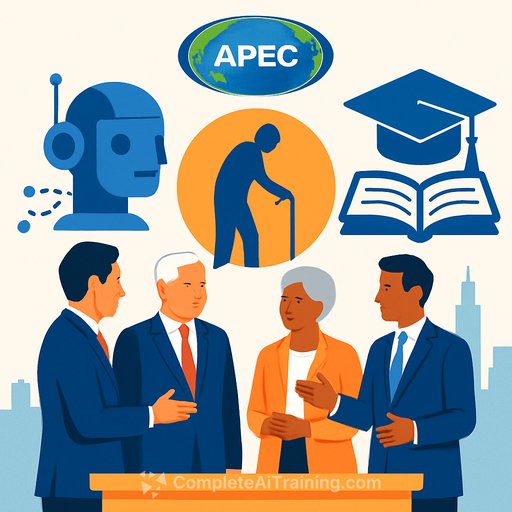
APEC Meeting Tackles Workforce Challenges in Asia-Pacific Region
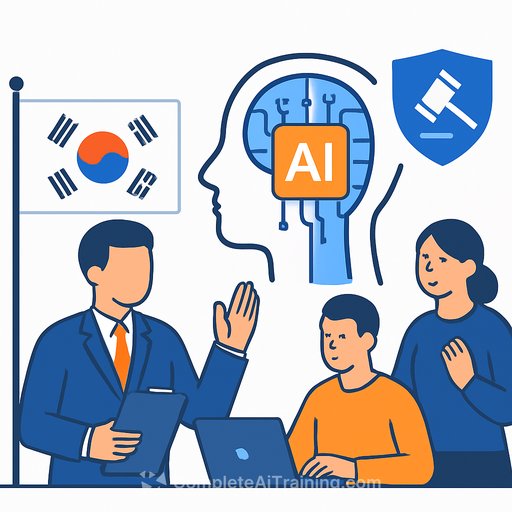
Leaders from 21 APEC economies gathered in Jeju for a four-day meeting focused on addressing pressing workforce challenges, including the impact of artificial intelligence (AI), aging populations, and gaps in education and employment systems.
Reforming Education to Match Technological Change
At the opening plenary, Vice Minister Seok-Hwan Oh of Korea’s Ministry of Education stressed the urgent need to update education systems to keep pace with technological disruption. "Education must go beyond transmitting knowledge. It must connect learners, encourage critical thinking, and promote adaptability," he said.
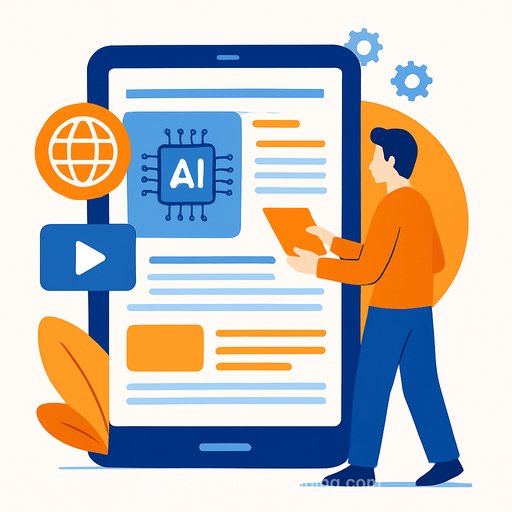
Korea is already piloting AI-powered digital textbooks designed to personalize learning and develop problem-solving skills. Supporting teacher-led innovation and expanding digital access are key steps to ensure no student is left behind in this transition.
Adapting Employment Policies to New Realities
Deputy Minister Chang-jun Kwon of Korea’s Ministry of Employment and Labor highlighted how AI, demographic shifts, and evolving labor markets require policy reforms. These include flexible labor systems, lifelong learning support, and better workforce integration for women and older adults.
Kwon emphasized reducing rigid wage and working-hour structures and creating a fair labor ecosystem that supports job transitions while protecting vulnerable workers, especially those in non-standard roles such as freelancers and platform workers. "We must build an employment safety net without blind spots," he stated.
Key Themes and Collaborative Proposals
- Addressing the mismatch between education outputs and labor market needs.
- Focusing on disability inclusion and digital skills development.
- Engaging younger generations in emerging job sectors.
- Strengthening regional policy coordination and cross-sector collaboration.
A notable proposal from Korea suggests creating a regional fund to invest in education gaps, youth employment, and the digital transition to support future generations.
Building a Human-Centered Economic Future
Eduardo Pedrosa, Executive Director of the APEC Secretariat, pointed out that economic growth depends on preparing people, not just markets. APEC’s long-term focus includes digital literacy, inclusive employment, and future-oriented education policies to build capacity across the region.
The Human Resources Development Working Group Chair, Zhao Li, said the meeting aims to connect workforce policy achievements with future needs. "Our focus is to fuel the economic growth of the region through human resources development, helping employers find workers with the right skills, and supporting private sector job creation," Li added.
Next Steps and Ministerial-Level Discussions
The working group will conclude with key recommendations that will inform upcoming Human Resources Development and Education Ministerial Meetings. These discussions will guide policies to build a resilient, inclusive, and future-ready workforce in the Asia-Pacific.
For professionals seeking to deepen their understanding of AI’s role in education and workforce development, exploring specialized courses can be valuable. Learn more about AI training opportunities at Complete AI Training.
Your membership also unlocks: