Apple’s AI-Powered Search in Safari: What It Means for Google and Marketers
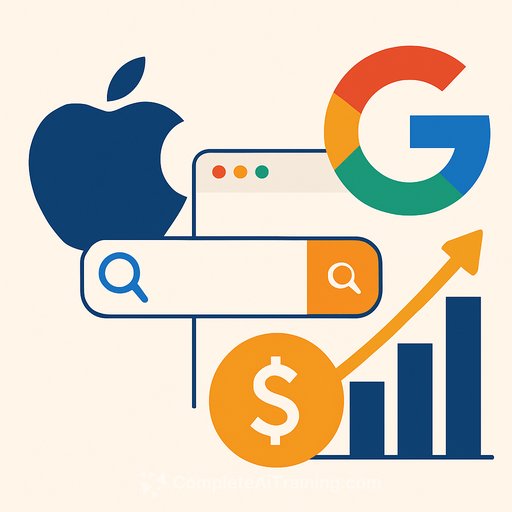
Apple is planning to introduce an AI-based search option directly within its Safari browser. This move could disrupt Google’s long-standing dominance in online search, especially since Google relies heavily on iPhone users to fuel its lucrative digital advertising business.
The announcement sent shockwaves through the market, causing Alphabet’s stock to drop 7.3%, wiping around $150 billion off its market value. Apple’s own shares saw a slight dip of 1.1% following the news.
Why This Matters for Google
Google currently pays Apple roughly $20 billion annually to be the default search engine on Safari. Analysts estimate that about 36% of Google’s search ad revenue from the browser depends on this partnership. Losing exclusivity on Apple devices could significantly impact Google’s ad revenue.
DA Davidson analyst Gil Luria emphasized the stakes: “If Google loses its exclusivity at Apple, the impact will be huge, even without additional action.” Since Google controls nearly 90% of the search market, advertisers have few alternatives. But a viable AI-powered search option from Apple could shift advertising budgets away from Google.
Google’s Response and AI Push
Google insists its search volume continues to grow, including from Apple devices. The company highlights new ways people use search, such as voice and visual queries. In response to competition, Google has invested heavily in AI, introducing features like “AI Mode” on its search page and expanding AI-powered Overviews to over 100 countries.
Google CEO Sundar Pichai recently testified about plans to collaborate with Apple on integrating Google’s AI Gemini technology into future iPhones, signaling ongoing negotiations.
Apple’s Strategic AI Search Plans
According to sources, Apple is actively considering a Safari overhaul. Eddy Cue, Apple’s executive, revealed that searches through Safari fell last month as users shifted to AI technologies. Apple also plans to offer alternative AI search providers like OpenAI and Perplexity AI within Safari, broadening user choice.
This move reflects how quickly AI-based search engines like ChatGPT and Perplexity have gained traction. For context, ChatGPT reports over 1 billion web searches weekly as of April 2025 and more than 400 million weekly active users, spanning multiple languages including English, Chinese, Japanese, Arabic, and French.
Implications for Marketers
- Changing Search Behavior: More users could start favoring AI-powered search over traditional engines, altering how they discover information and interact with ads.
- Advertising Budgets May Shift: With Apple potentially opening the door to AI search competitors, marketers might need to diversify ad spend beyond Google.
- New Opportunities for AI-Driven Campaigns: AI search engines can offer different ad formats and targeting capabilities that marketers should explore.
- Stay Informed on Platform Changes: Keeping track of AI integrations in browsers like Safari will be critical for adjusting marketing strategies promptly.
The landscape of digital search is evolving fast. Marketers should watch how Apple’s AI search rollout progresses and consider training in AI tools to stay competitive. For those interested in expanding their AI skills, resources like Complete AI Training’s latest courses can provide valuable insights and practical know-how.
Your membership also unlocks: