
AI news ·
Arizona education officials use AI to flag improper ESA requests
Arizona will use AI to review 2 million annual school voucher requests. The system flags improper purchases for the eight auditors handling the program.
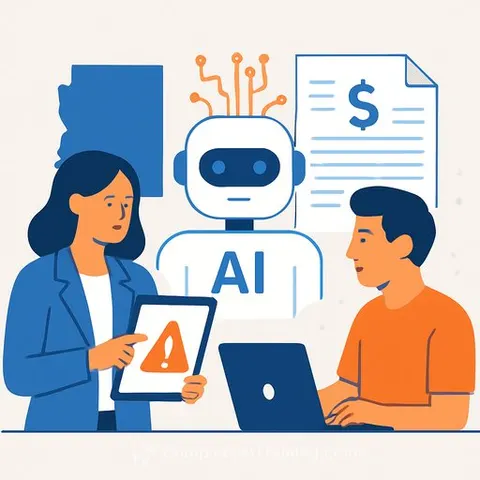
The Arizona Department of Education will begin using artificial intelligence next month to review Empowerment Scholarship Account voucher requests, a move aimed at catching improper purchases in a program that processes roughly 2 million transactions per year with only eight auditors. Misuse of ESA funds accounts for less than 2% of all requests, but the dollar figures have drawn scrutiny after tax dollars were spent on luxury items and vacations rather than education.
The staffing math that forced the change
Arizona Superintendent of Public Instruction Tom Horne described the audit workload in blunt terms. "We have 2 million requests a year. So that's a quarter of a million requests per person. That's not humanly possible to do," Horne said. The department has been developing the AI system for more than a year with ClassWallet, the company that manages ESA accounts.
Horne said the goal is straightforward: the AI will scan purchases, approve requests clearly tied to education, and flag everything else for human review. "We want to eliminate all of those errors, and AI will do it," he said. The system will not cost taxpayers additional money.
Trust and verification built into the rollout
Speed is not the only consideration. Horne emphasized that the department needs confidence in the system before relying on it. "Once it's developed, it's almost instantaneous, but it's going to take time to develop because we have to trust it that it's not going to make any mistakes," he said. Officials plan to have a secondary review process in place to double-check what the AI flags.
The department's cautious approach reflects the stakes. Flagging legitimate education purchases as improper could delay funds for families, while missing genuinely fraudulent requests undermines the program's credibility. The balance between automation and human oversight is central to the design.
Government adoption of AI is accelerating
Arizona's Department of Education is not alone. Maricopa County has deployed AI-powered cameras to search for wildfires, and AI for Government applications are becoming routine across agencies. University of Arizona AI expert David Ebert said government use of the technology is now widespread and "becoming very foundational."
Ebert offered a measured view of the technology's limits. "You need to use your own judgment. You need to make a decision based on the context," he said. "But use this as a way to give you additional information and to check the information that it's giving you."
Why this matters for education professionals
For educators and school administrators, Arizona's experiment with AI-driven voucher oversight signals a shift in how states manage education funding. The same approach could extend to tracking classroom supply budgets, grant compliance, or special education spending. Understanding how these systems flag transactions - and where they make mistakes - will matter for anyone responsible for submitting or approving education-related purchases. The Arizona rollout, with its built-in verification step, offers an early model of what AI oversight looks like when the stakes involve real families and real classrooms. AI for Education is moving from theory into the operational budgets of state agencies, and the results here will likely shape similar efforts elsewhere.