The Impact of Artificial Intelligence and Machine Learning in Scientific Research
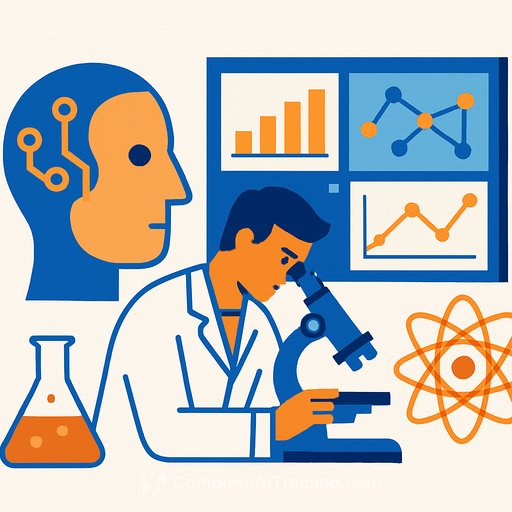
Artificial intelligence (AI) and machine learning (ML) evoke mixed reactions among scientists—from indifference to excitement and concern about job security. While these technologies are not advanced enough to replace research labs, they facilitate collaboration across projects and support new discoveries. Every scientist should consider the role AI/ML can play in their work.
Machine Learning and Artificial Intelligence Are Not New
The buzz around AI/ML today can blur the lines between hype and reality. AI broadly refers to technologies that allow machines to simulate human learning, problem-solving, and understanding. ML, a subset of AI, uses algorithms to identify patterns in data and learn from them to make predictions or analyses.
These concepts date back to the 1950s, but widespread adoption in scientific labs has only happened in the last decade or two. The recent surge in AI/ML use stems from the availability of large datasets, improved algorithms, and increased computing power. Since the late 2000s, many organizations have tested AI/ML in pilot projects to boost research productivity and accelerate innovation.
The Impact of AI
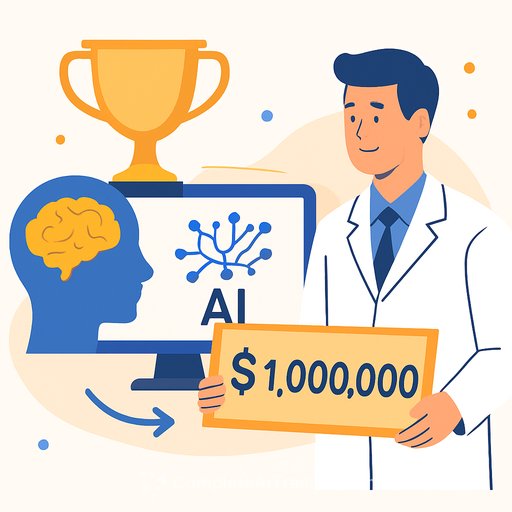
The full effects of AI on scientific research are still emerging, but notable achievements are already visible. The 2024 Nobel Prize in Physics recognized scientists who developed ML methods to predict protein 3D structures from amino acid sequences. This breakthrough provided the scientific community with over 200 million predicted protein structures, benefiting fields like structural biology, drug discovery, and protein design.
In recent years, AI-discovered drugs and vaccines have increasingly entered clinical trials. AI aids in identifying drug targets, designing molecules, and repurposing existing drugs. Phase I trial success rates for AI-developed drugs reach 80–90%, higher than the historical average of 66–76%. Phase II outcomes, though based on limited data, align with traditional success rates around 40%.
Despite these advances, AI still falls short in areas requiring creative thinking and novel problem-solving. At scientific conferences, AI tools demonstrate the ability to suggest new molecular spaces within hours, but expert teams of scientists often generate the most innovative ideas. AI is strong in pattern recognition, but human insight remains essential for creativity and breakthrough discoveries.
Be Curious and Choose a Balanced Approach
Curiosity remains the most valuable trait a scientist can have—something AI cannot replicate. However, AI/ML will continue shaping research methods. Developing data literacy is crucial because AI models depend on the quality of their training data. Understanding data biases, limitations, and integrity issues enables critical evaluation of AI-generated results.
Maintaining scientific rigor when applying AI/ML is as important as conducting traditional experiments. Not every problem requires AI; sometimes, classic statistical methods prove equally or more effective. Questioning when and where to apply AI prevents unnecessary complexity and keeps research focused.
While AI/ML offer new tools, they do not replace scientific expertise. These technologies rely on historical patterns and lack deep reasoning, creativity, and context. The most effective approach balances AI-driven efficiency with human intuition and peer review. Scientists who can integrate these technologies thoughtfully will contribute meaningfully to future discoveries.
References
- Kp Jayatunga, M., Ayers, M., Bruens, L., Jayanth, D., & Meier, C. (2024). How successful are AI-discovered drugs in clinical trials? A first analysis and emerging lessons. Drug Discovery Today, 29(6), 104009. https://doi.org/10.1016/j.drudis.2024.104009
Your membership also unlocks: