
AI news ·
Artificial intelligence may increase health care costs despite improving patient outcomes
AI in U.S. medical billing could increase spending through upcoding and expanded treatments. Policymakers must regulate these tools to prevent inflated costs.
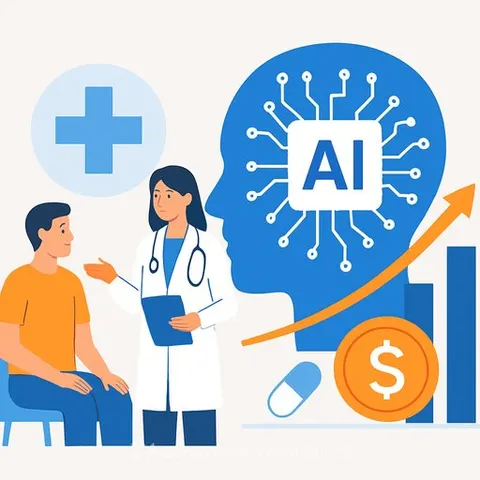
A recent commentary published in Forefront argues that artificial intelligence could make U.S. health care more expensive, not less, even as the technology improves diagnosis and treatment. For health care professionals, the analysis underscores how AI's rapid adoption in billing and insurance systems may accelerate spending unless policy makers step in.
Two paths for AI in healthcare
AI is already being used in AI for Healthcare to help clinicians detect diseases earlier, enhance medical imaging, and speed up drug discovery. These advances can lead to better patient outcomes by catching illnesses sooner and bringing new therapies to market faster. However, the commentary notes that earlier detection often means more people become patients and receive treatment for longer periods, while novel drugs frequently carry high price tags. As a result, total system spending tends to rise even when care improves.
On the administrative side, health care organizations deploy AI to refine medical coding, process insurance claims, and manage prior authorization requests. The author warns that this use can drive up costs through upcoding-labeling patients as sicker than they are to secure higher payments. It can also make insurers more aggressive in denying claims, shifting expenses rather than reducing them. Patients may then require additional care later, adding further strain to the system.
The administrative cost trap
The commentary draws a parallel to the rollout of electronic health records. While those systems improved access to medical information and cut certain errors, they also made it easier to increase billing and documentation levels, which raised overall spending. Similarly, AI in billing environments can amplify existing financial incentives without addressing the root causes of high costs.
As AI is deployed for medical coding and claims management, an AI Learning Path for Medical Billers addresses these applications directly. The author contends that without intervention, AI will continue to strengthen the administrative machinery that drives up spending, rather than redirecting resources toward more efficient care delivery.
Why AI gravitates toward billing
A key insight from the commentary is that AI thrives where data is plentiful and feedback on results is clear. Health care billing and insurance systems fit that description perfectly, so AI adoption accelerates there and reinforces financial incentives. In contrast, areas like improving overall cost efficiency or reducing unnecessary care are harder for AI to optimize because outcomes are less measurable or feedback loops are weak.
This asymmetry means AI is likely to widen the gap between administrative complexity and clinical value. The U.S. health care system, already under severe financial strain, will see these trends intensify unless deliberate policy changes redirect the technology's trajectory.
Policy changes that could help
The commentary outlines several steps to prevent AI from simply inflating costs. These include requiring transparency around how AI systems are used, applying the same rules to AI that govern human reviewers in billing and insurance decisions, and tying payments more closely to patient health outcomes rather than the volume of services provided.
The author argues that without such shifts, AI will accelerate both medical advances and higher spending. The commentary concludes that the technology may make the system more efficient in some ways but also significantly more expensive overall.
Why this matters for healthcare professionals
For those working in health care, the message is clear: AI is not a cost-cutting silver bullet. Professionals in clinical roles may see better diagnostic tools, but they will also face pressure from growing patient volumes and expensive new treatments. Those in billing, coding, and administration will encounter AI-driven systems that can amplify upcoding and claim denials, directly affecting revenue cycles and patient care. Understanding where AI is likely to increase costs-and why-can help teams prepare for the operational and ethical challenges ahead. Investing in targeted training can equip staff to navigate these changes effectively.