Australian public sector lags private sector AI adoption by up to 16 months
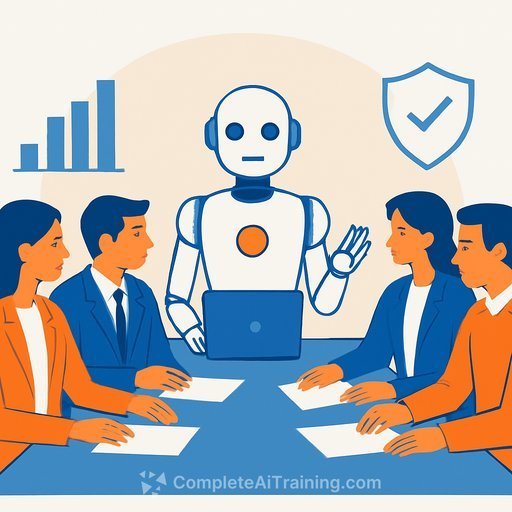
Australian businesses are doubling down on artificial intelligence hiring, but adoption remains concentrated among a small group of employers - with government agencies falling significantly behind.
Job postings mentioning AI reached 6.2% in February, nearly double the 3.3% recorded a year earlier, according to analysis by employment platform Indeed. Around 8.5% of employers had at least one AI-related posting, up from 5.8% in early 2025.
The concentration problem persists. Two-thirds of all AI-related job postings came from just 1% of employers - a ratio that has barely shifted over two years.
Tech roles lead adoption
Software development and data analytics postings show the strongest AI presence, with 43% of job openings mentioning the technology. These roles typically involve using existing tools in day-to-day work rather than building new ones.
Other fields showing notable adoption include IT systems and solutions (27%), industrial engineering (18%), marketing (17%), and legal (16%). Nearly half of all occupations now record AI mentions above 5%, compared with roughly one-third a year ago.
Size matters for adoption speed
Large businesses - those with 200 to 500 employees - moved faster than smaller firms. In December, 78% of large businesses reported some level of AI adoption, with 16% reporting broad use.
Medium-sized businesses lagged at 72% adoption, small businesses at 60%, and micro businesses at just 36%. Large businesses were more than twice as likely as medium-sized firms to report broad AI use.
Government posting AI jobs at half the rate
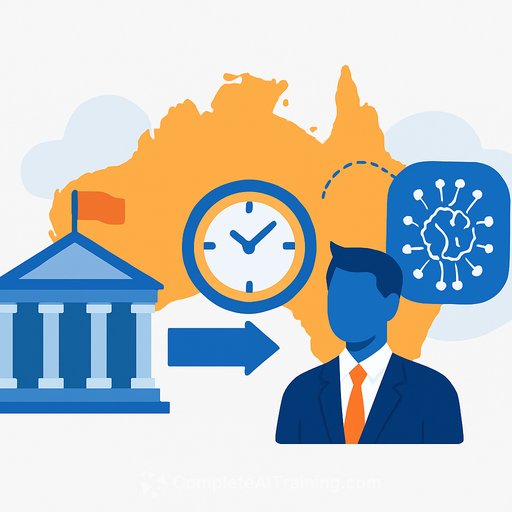
Government job postings mentioned AI in only 2.7% of cases - less than half the national rate of 6.2%. Excluding healthcare and education raised that figure to 4.0%, but still well below the broader economy.
Indeed estimated government adoption was trailing overall uptake by between nine and 16 months. The gap could widen given the faster pace of growth outside the public sector.
The federal government released its National AI Plan in December, centring on training initiatives and investment in data centres. The plan drew scrutiny for lacking clear safety guardrails, particularly given earlier expectations that such measures would be central to Australia's approach.
Workers split on AI's impact
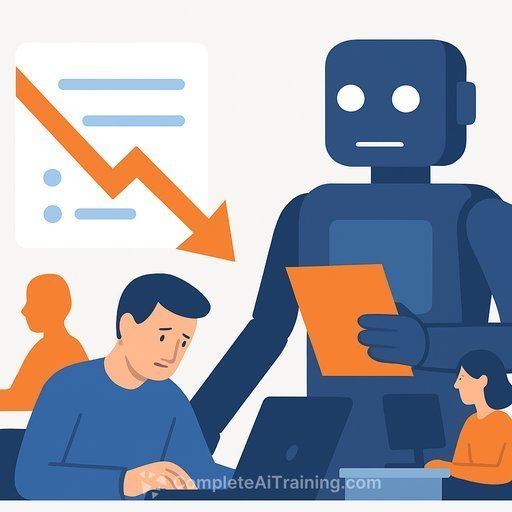
Australian workers hold mixed views. While 56% agreed AI could reduce overall job opportunities across the labour market, only 28% worried it might affect their own role.
Most respondents believed AI could not perform their jobs. Research on high-profile tools such as GPT-4.1 and Claude Sonnet 4 found they could fully perform just 1% of roughly 2,900 skills analysed.
Workers acknowledged AI could improve productivity but said they were not receiving sufficient training to use the tools effectively.
Labour market remains stable
Rising AI adoption has not disrupted hiring patterns. Since mid-2023, around 30% of Australian job postings have been in occupations with high AI exposure - a share that has remained steady, suggesting broader economic conditions rather than AI displacement are driving hiring trends.
Job postings in software development and data analytics were higher than a year earlier, which Indeed said may reflect growing demand for tech skills across industries pursuing AI transformation.
For HR professionals managing recruitment and workforce planning, the data points to a widening skills gap. AI for Human Resources covers how to identify and source talent in this shifting market, while AI Learning Path for CHROs addresses strategy for organisations navigating adoption decisions.
Your membership also unlocks: