
AI news ·
Autonomous IT shifts IT operations from human triage to AI-driven decisions, raising governance and vendor lock-in concerns
AI in IT operations now automates incident triage and root cause analysis, not just alerts. The shift forces teams to rethink staffing, governance, and vendor lock-in risk.
Autonomous IT Moves Beyond Alerting to Operational Decision-Making
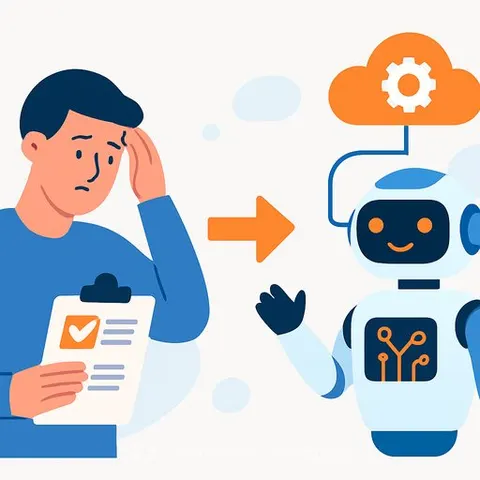
AI in IT operations has crossed a threshold. What started as basic alerting and correlation now automates incident triage, accelerates root cause analysis, and reduces alert noise at scale. Vendors like LogicMonitor are embedding these capabilities into their platforms, shifting control from human operators to AI-driven systems.
The transition raises a practical question for operations teams: how do you govern AI that makes real decisions about your infrastructure?
The Skills Problem Is Real
Most IT leaders want to cut alert fatigue and speed troubleshooting. Few are ready to trust AI fully with operational decisions. As Autonomous IT systems take over more triage and remediation work, the skills your team needs shift fundamentally.
Manual troubleshooting expertise becomes less critical. AI oversight, policy design, and exception handling become essential. Organizations that don't invest in retraining will see automation stall or fail.
Vendors Consolidate. Customers Face Lock-In Risk.
The observability market is consolidating around platform-first strategies. Vendors that can't deliver integrated observability, investigation, and automation risk becoming niche players. The winners will tie Autonomous IT capabilities directly to business outcomes-not just faster incident closure.
But consolidation creates risk. Autonomous IT amplifies both benefits and dangers of automation. Without governance, you get new classes of outages, opaque decision logic, and deep vendor dependency.
Governance Isn't Optional
Organizations that over-automate without controls risk losing visibility into why the system made a decision. Vendors must provide granular controls, transparent audit trails, and easy override mechanisms. Otherwise, CIOs will slow adoption or demand multi-vendor strategies to hedge against single-stack risk.
The real question isn't whether automation wins. It's how your organization will staff, govern, and source in a world where AI makes operational calls.
What Operations Teams Should Watch
- Autonomous IT adoption: Will large enterprises trust AI to handle incident triage and remediation by 2027, or will human-in-the-loop remain standard?
- Skills gap crunch: Can organizations retrain or hire for AI governance and exception management fast enough to keep automation on track?
- Vendor lock-in tipping point: Will platform-first strategies trigger a backlash as organizations seek to avoid single-vendor dependency?
- Governance standards race: Which vendors will lead in delivering transparent, auditable AI operations frameworks that win CIO trust?
If you're responsible for IT operations, now is the time to understand how Autonomous IT will change your role. Start with AI Agents & Automation fundamentals and governance principles. If you're advising on strategy, the AI Learning Path for CIOs covers vendor evaluation and risk management in depth.