Bayer Korea's DSO Model: 90-Day Cycles, AI-Driven Skills, and T-Shaped Talent
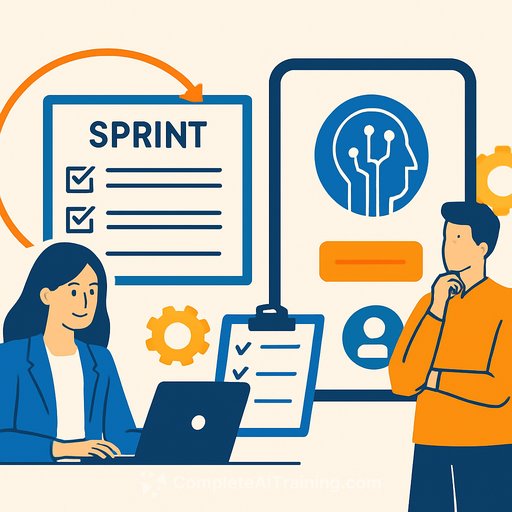
Bayer Korea is retooling how work gets done. Led by Country HR Lead Jeong Hyeon-jin, the company shifted from year-long cycles to 90-day performance sprints, added transparent peer feedback, and plugged AI into core HR processes. The goal: learn faster, reduce bureaucracy, and give practitioners more say in decisions.
For HR leaders, this is a useful blueprint. It blends cadence (short cycles), clarity (named feedback), and leverage (AI-guided mobility) into one system that builds capability while moving the business forward.
Why change? Learn faster or get left behind
Jeong is direct about the trigger: companies survive by learning and executing faster. That requires fewer approvals, more autonomy at the edge, and a structure that rewards initiative. Psychological safety isn't a slogan here; it's a design choice to help people speak up, test, and adjust without fear.
How DSO works inside Bayer Korea
- 90-day cycles: Work advances in defined quarters. Teams review outcomes, share lessons, and reset focus every cycle.
- Named peer feedback: Through "My Impact Insight," employees receive quarterly feedback from 5-15 colleagues. No anonymity. Clear signals, faster growth.
- Mission-driven squads: Most employees now operate in cross-functional squads formed around specific outcomes. Context sharing is up; siloed thinking is down.
The approach is already tied to business outcomes. Example: after reimbursement listing in February last year, a treatment for type 2 diabetes with comorbid chronic kidney disease ranked sixth globally in domestic sales. A high-dose macular degeneration product also secured earlier-than-planned reimbursement listing in October.
AI as the engine of a skills-first organization
Bayer's "Talent Marketplace" and "Career Navigator" recommend projects, mentors, and learning based on each person's skills and experience. Over 60% of employees have already registered. The platform doesn't just track people; it nudges growth by suggesting the next capability to build.
Jeong's point: jobs are fluid; skills are the unit of currency. Teams form and disband around tasks, including global projects that tap talent where it's needed. In this setup, T-shaped talent-deep in one area, broad across many-rises in value.
For context, see research on skills-based organizations and why T-shaped skills matter.
Playbook: Bring these ideas into your HR org
- Shift to 90-day outcomes: Set 1-3 quarterly outcomes per team. Tie each to a customer or patient value metric. Keep scope small enough to finish.
- Install lightweight peer feedback: 5-10 raters per person, named feedback, 3 prompts: What moved the needle? What to continue? What to change next cycle?
- Build mission squads: Cross-functional teams with a clear product owner. Define decision rights up front. Time-box work and reviews.
- Cut approval layers: Publish a decision matrix (who decides, who's consulted). Track time-to-decision and remove bottlenecks monthly.
- Stand up a talent marketplace: Start with a skills inventory. Offer internal gigs and short projects. Match work to skills; link learning to those matches.
- Protect psychological safety: Run structured retros. Coach managers on feedback quality. Ban "gotcha" behavior; promote curiosity and clarity.
- Govern AI use: Define data privacy, bias checks, and audit trails. Calibrate recommendations with HRBPs and leaders each quarter.
- Pilot, then scale: Start with one business unit for two cycles. Share wins, fix friction, and roll out with champions.
Metrics that actually matter
- Time to decision (from proposal to go/no-go)
- Cycle completion rate (outcomes delivered per quarter)
- Internal mobility rate and gig participation
- Skills coverage vs. strategic roadmap (gaps closed per quarter)
- Employee NPS/engagement and feedback quality score
- Time to proficiency after role or project change
- Customer/patient impact proxy (e.g., speed to listing, adoption, support tickets)
Common pitfalls and how to avoid them
- Feedback fatigue: Cap requests, rotate raters, and use prompts that force specificity.
- Busywork dressed as "agile": If a ritual doesn't change decisions, kill it.
- Bias in named feedback: Add calibration sessions and pattern checks; coach for behavior-based examples.
- Tool sprawl: Integrate performance, feedback, and skills into as few systems as possible.
- Unclear decision rights: Publish and revisit. Confusion costs cycles.
30-60-90 day starter plan
- Days 1-30: Pick one unit. Define 3 quarterly outcomes. Map decision rights. Draft feedback prompts and rater lists.
- Days 31-60: Launch the first 90-day cycle. Run midpoint reviews. Begin skills inventory and gig board pilot.
- Days 61-90: Close the cycle. Publish a one-page readout: outcomes, lessons, blockers, next bets. Expand gigs. Plan scale-up.
What this asks of HR
Operate like product teams. Treat employees as customers, skills as features, and cycles as release trains. Build data literacy, experiment with AI, and coach leaders to make cleaner, faster decisions.
If you're leveling up AI skills across HR, here's a curated place to start: AI courses by job function.
Bayer's move shows what happens when autonomy, short cycles, and a skills-first mindset meet real business goals. Less ceremony, more outcomes. That's a pattern worth copying.
Your membership also unlocks: